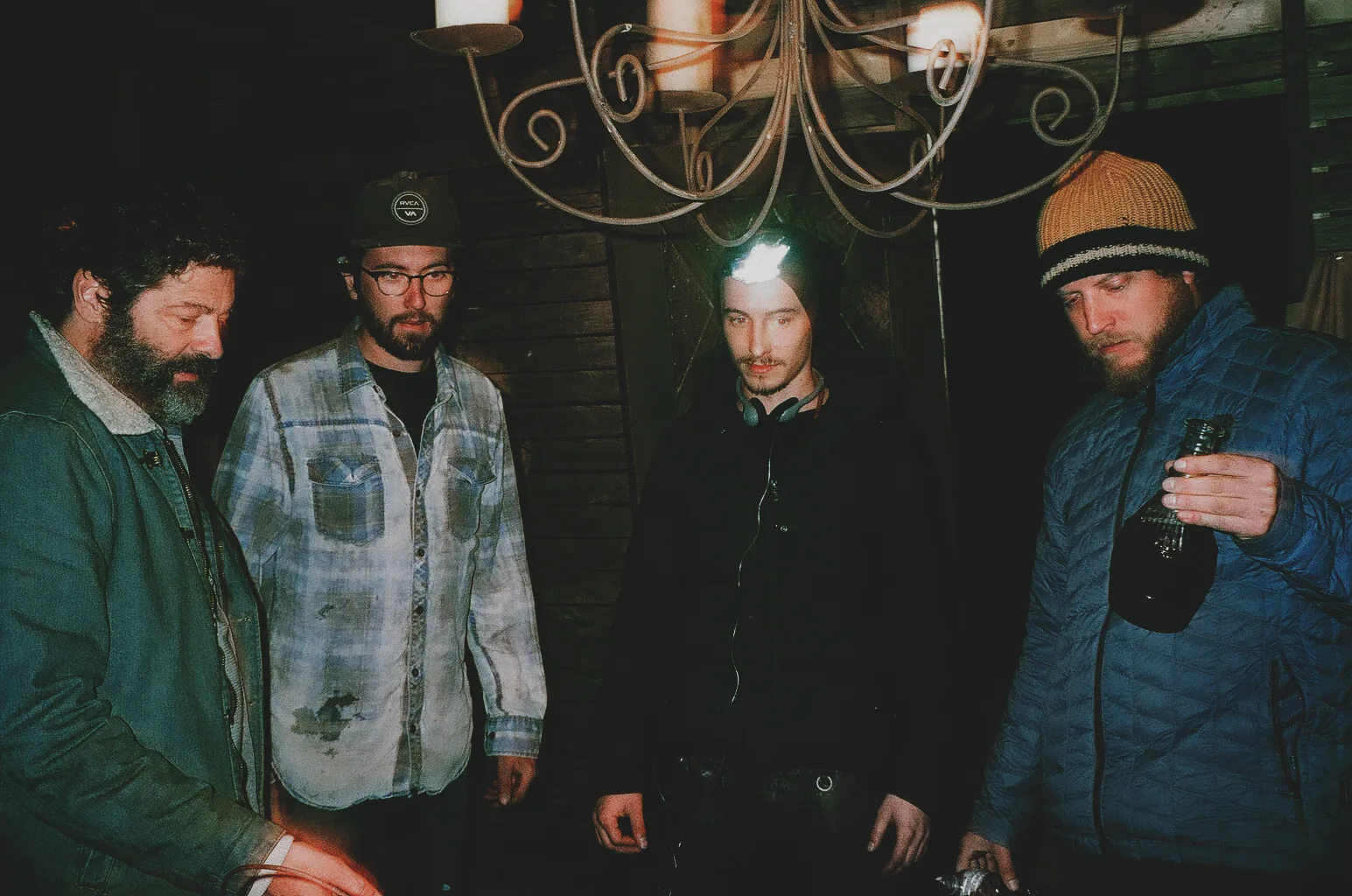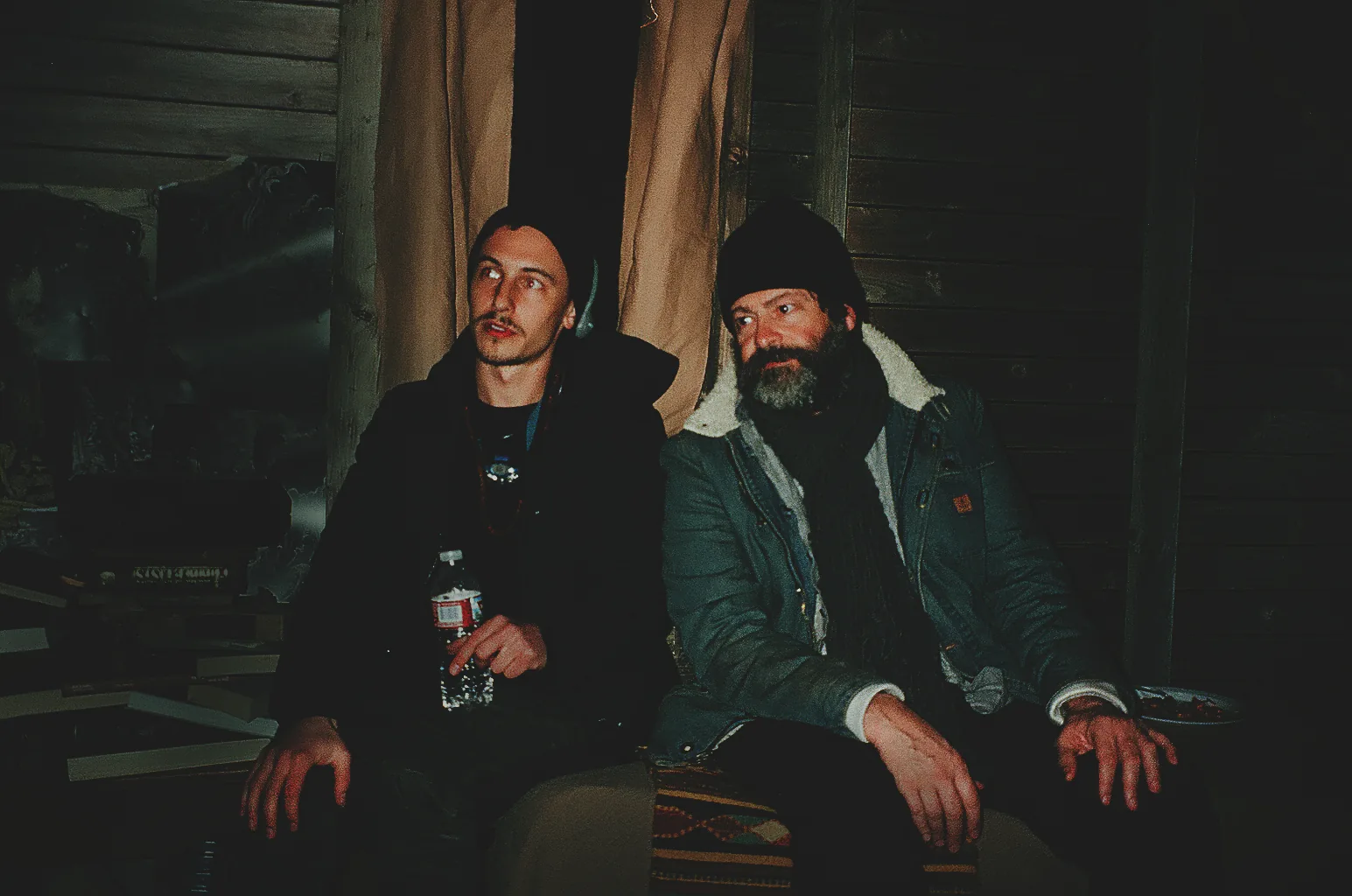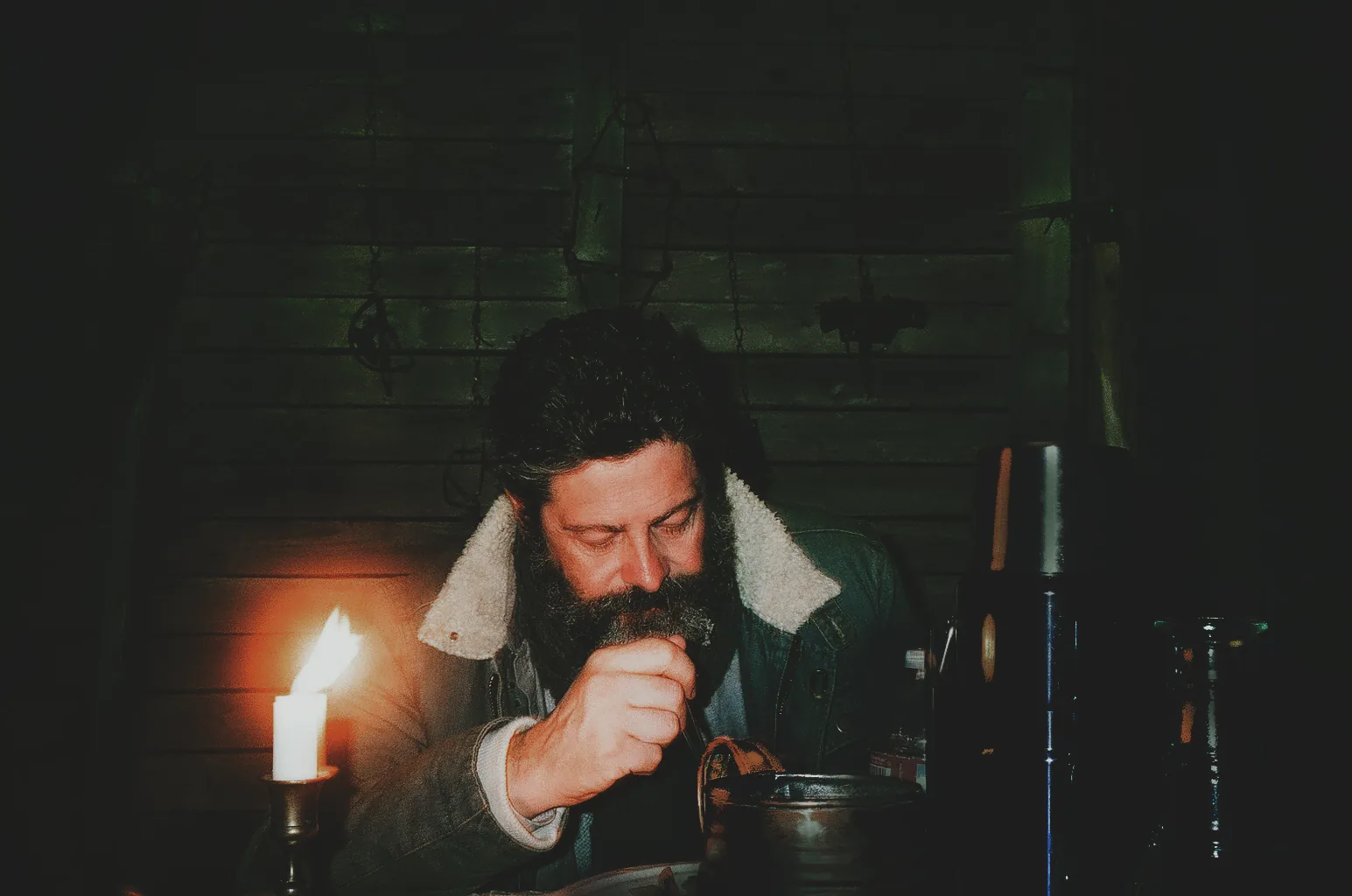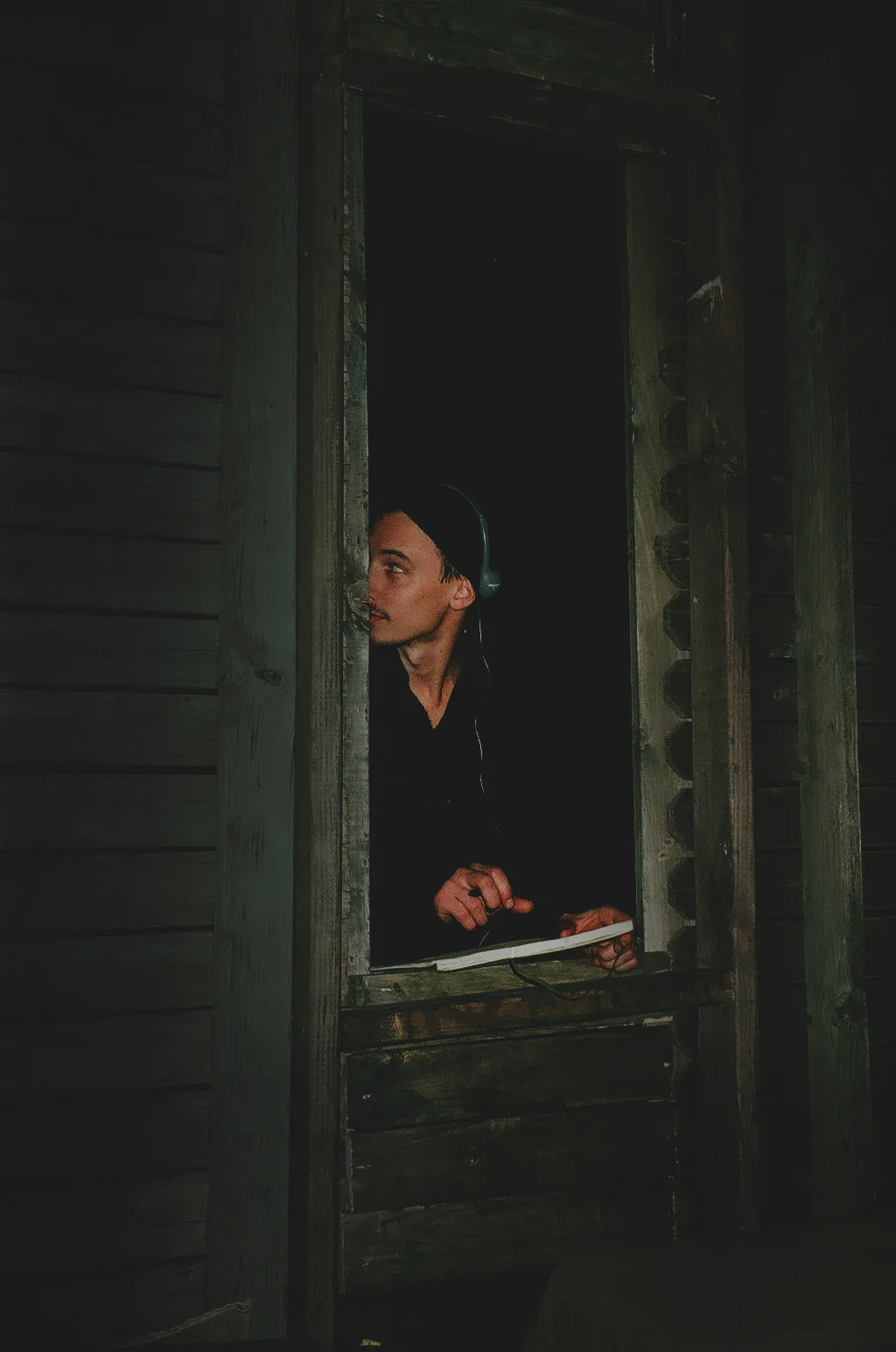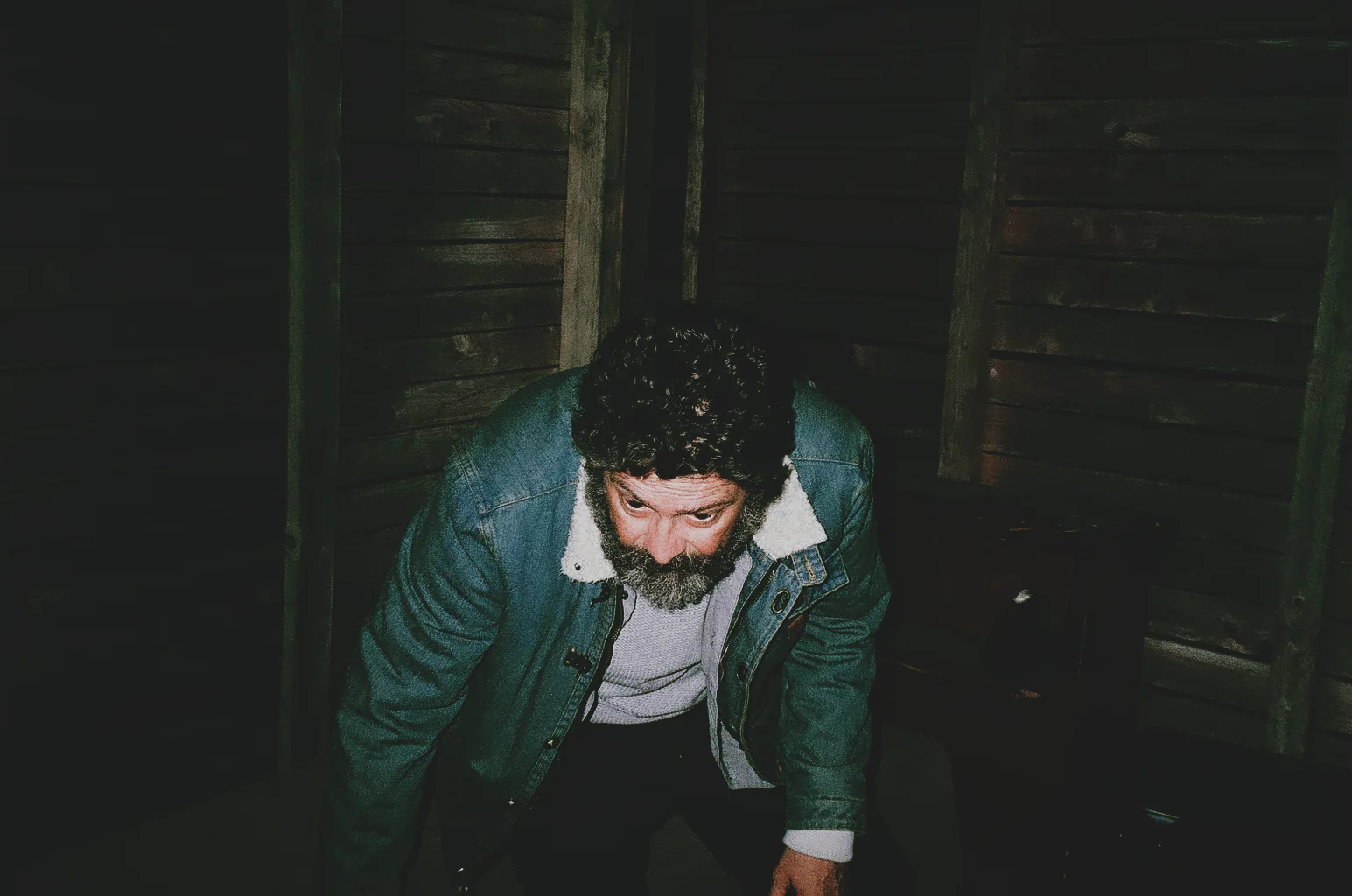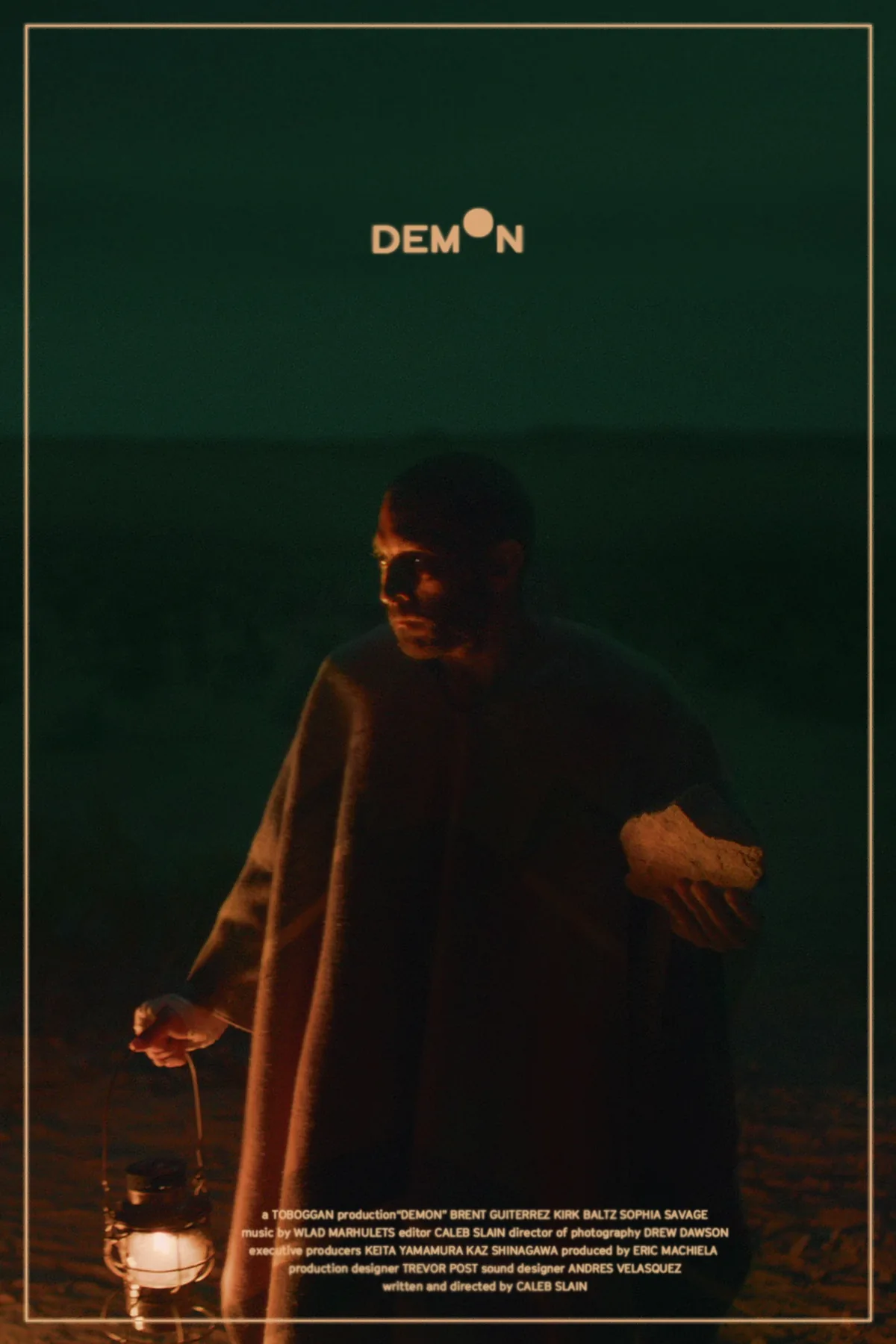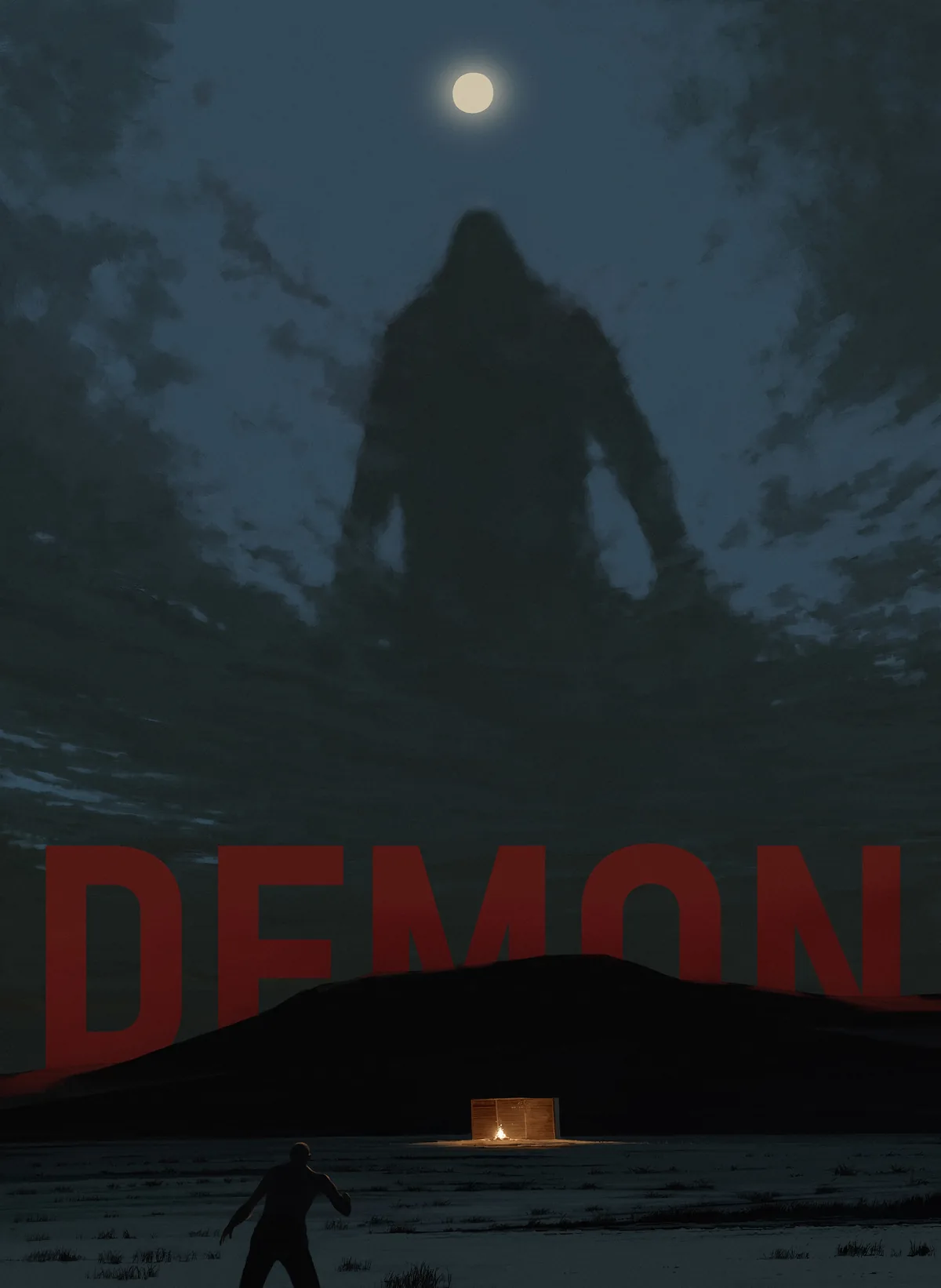
First Person Singular: How, Why and Why?
It's funny how you think you're feeling a place out when the opposite may be more true. For a month leading up to our shoot I was in a remote cabin in Joshua Tree. Laying the plan, revising the script and ‘feeling out the desert’ for insights, obstacles, inspiration. It wasn't until after the bags were packed, the crew absconded, the set burned down, relationships imploded, and I'd been belly up in a hospital hemorrhaging blood from multiple orifices begging the doctor to make the pain stop that I realized the desert may have been feeling out me.
(Not those orifices.)
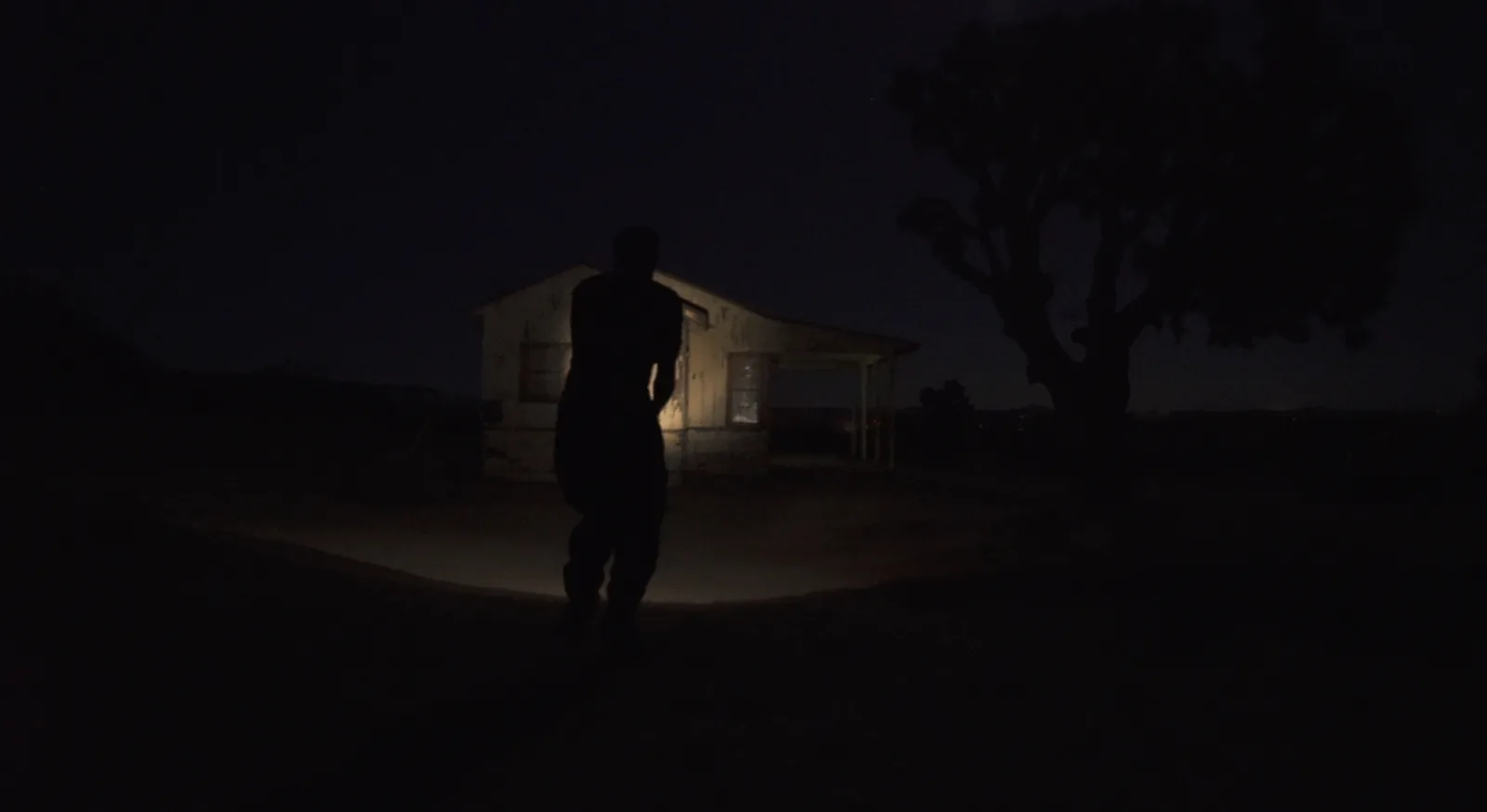
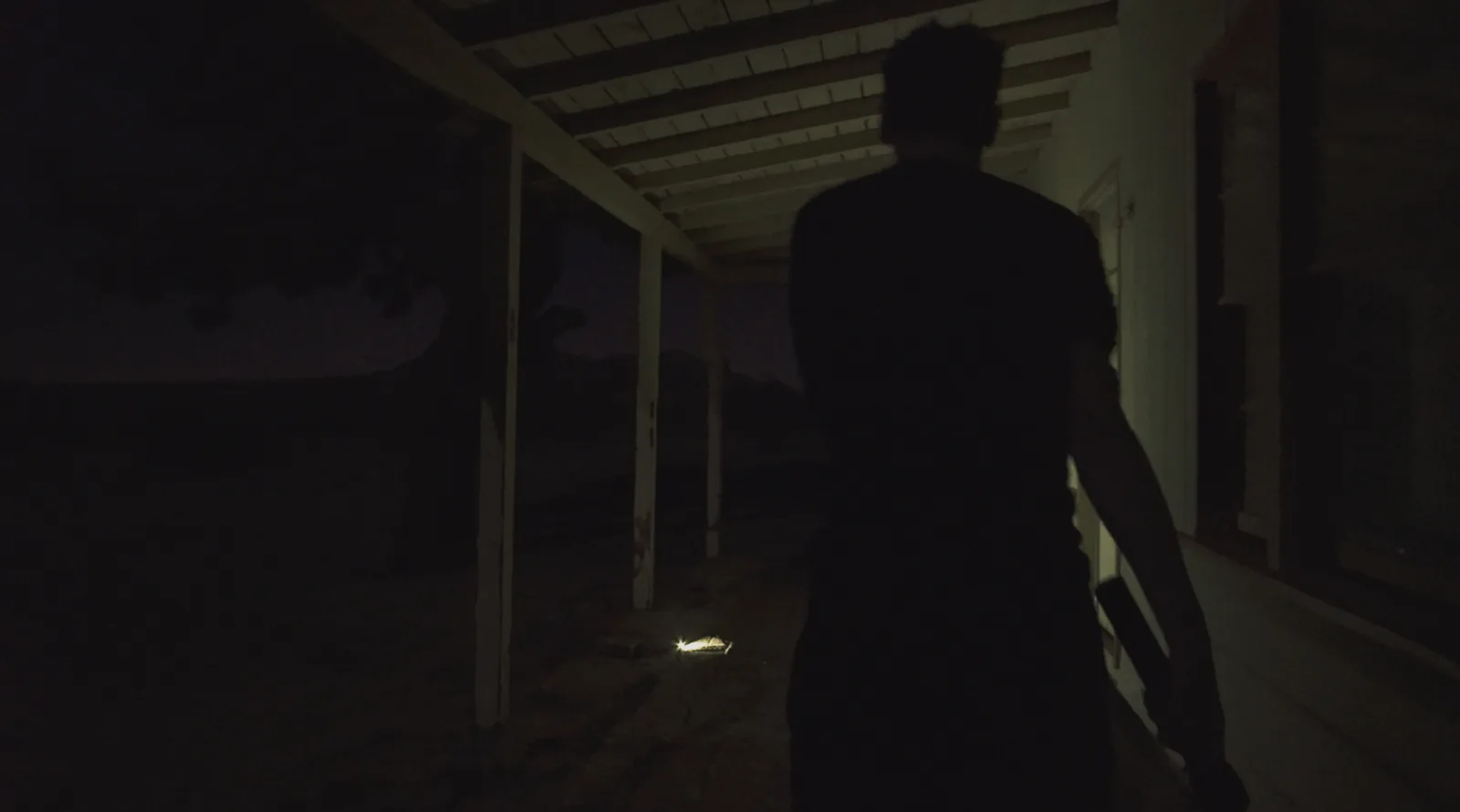
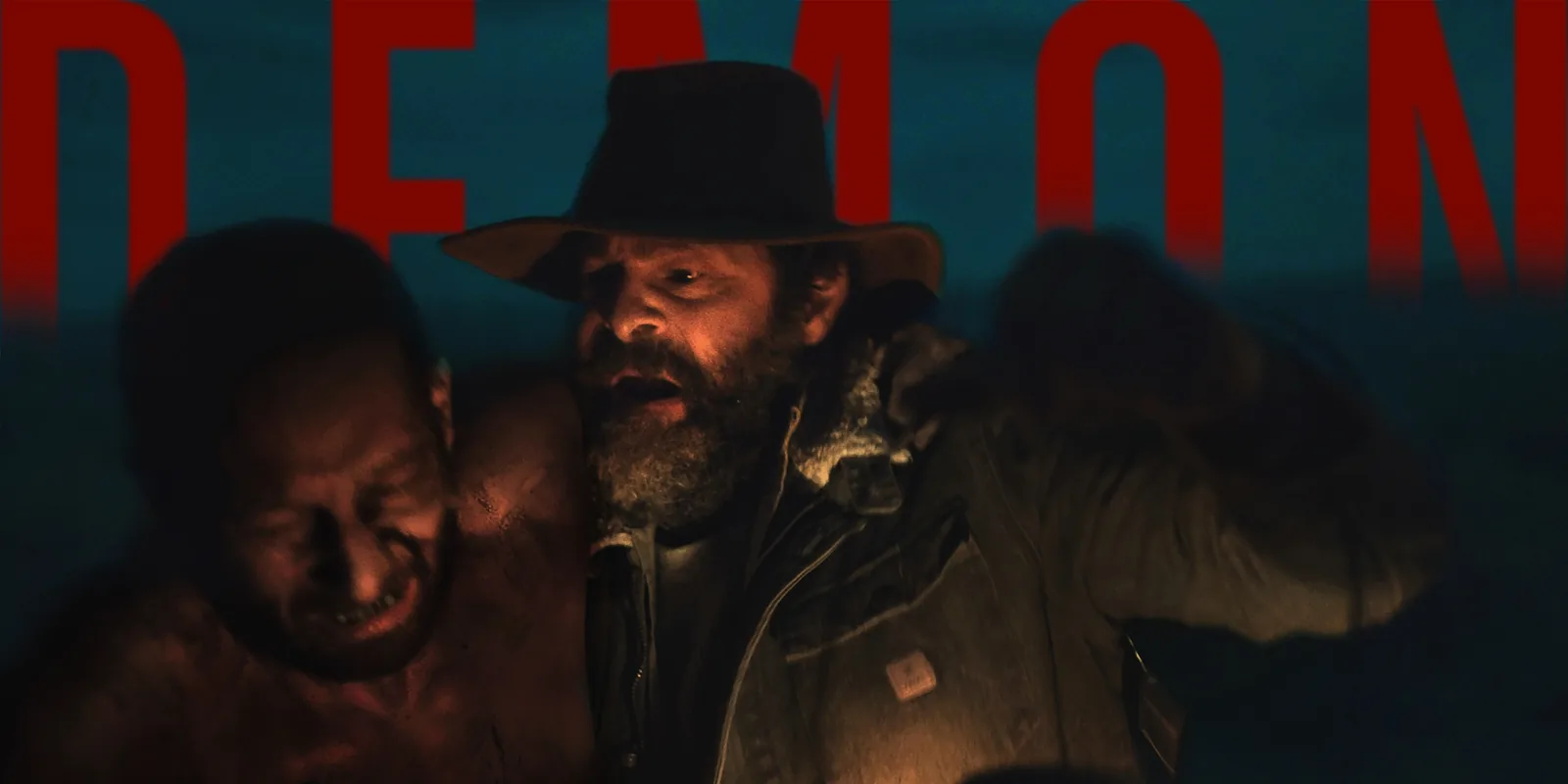
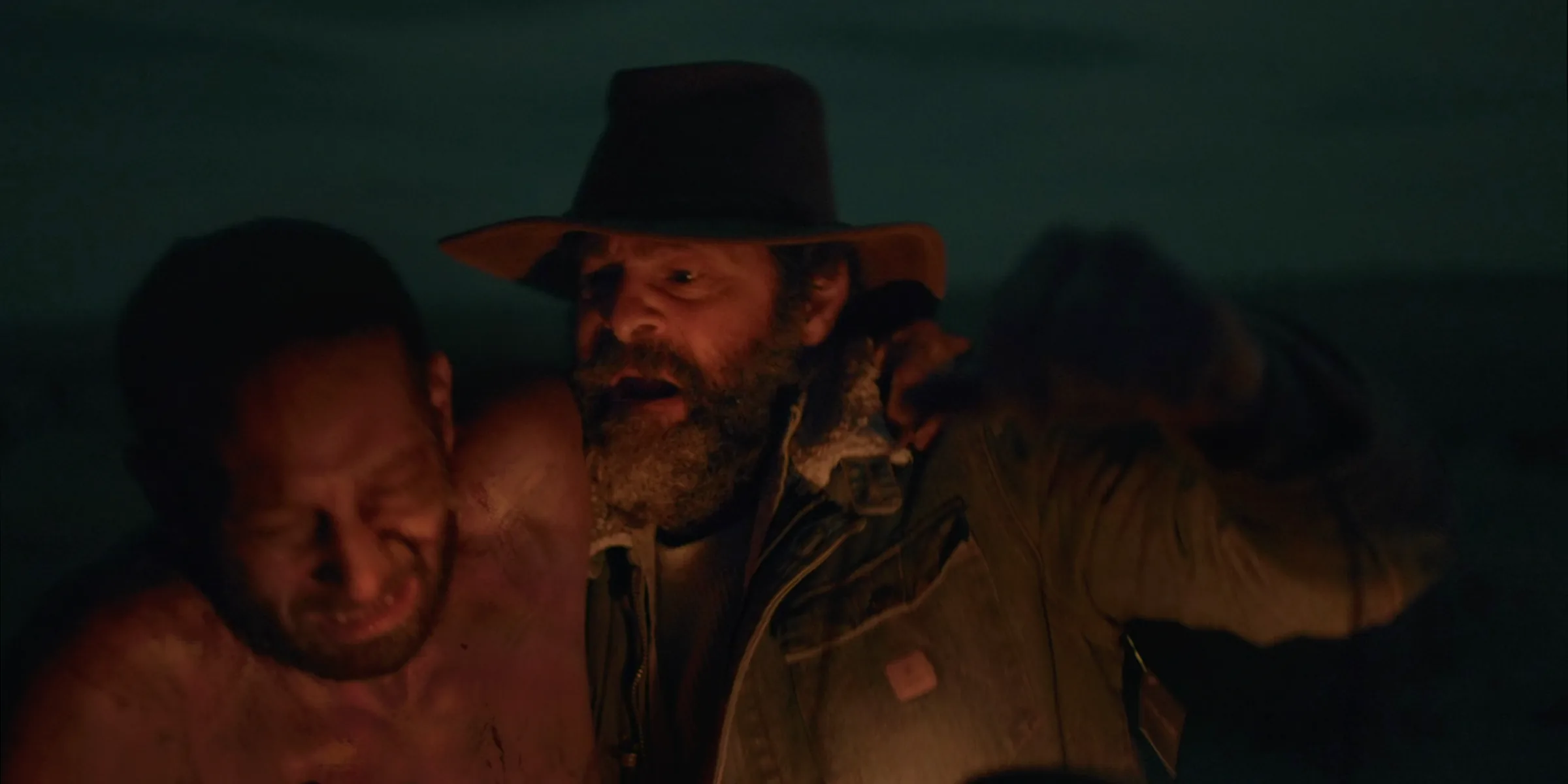
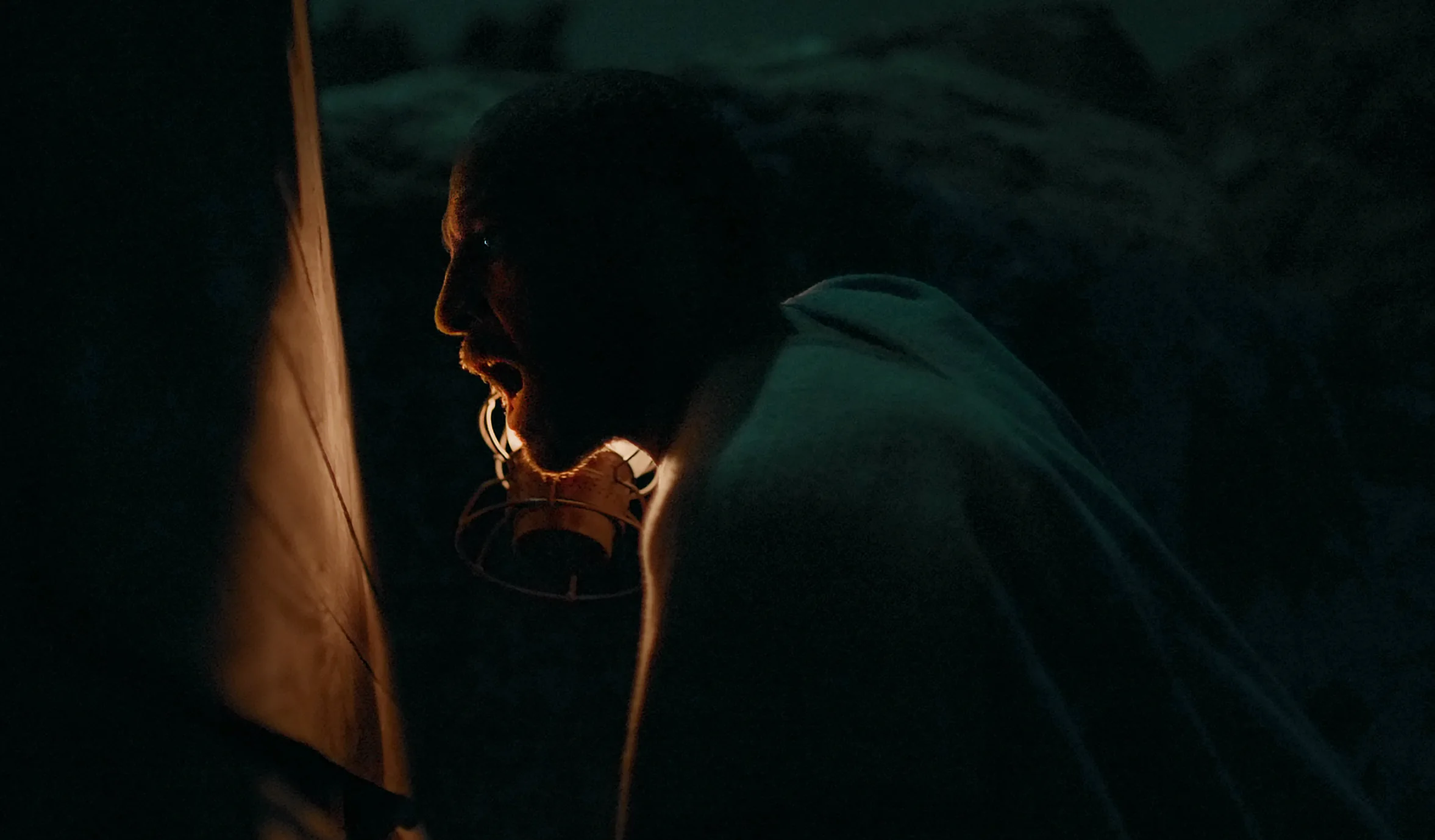
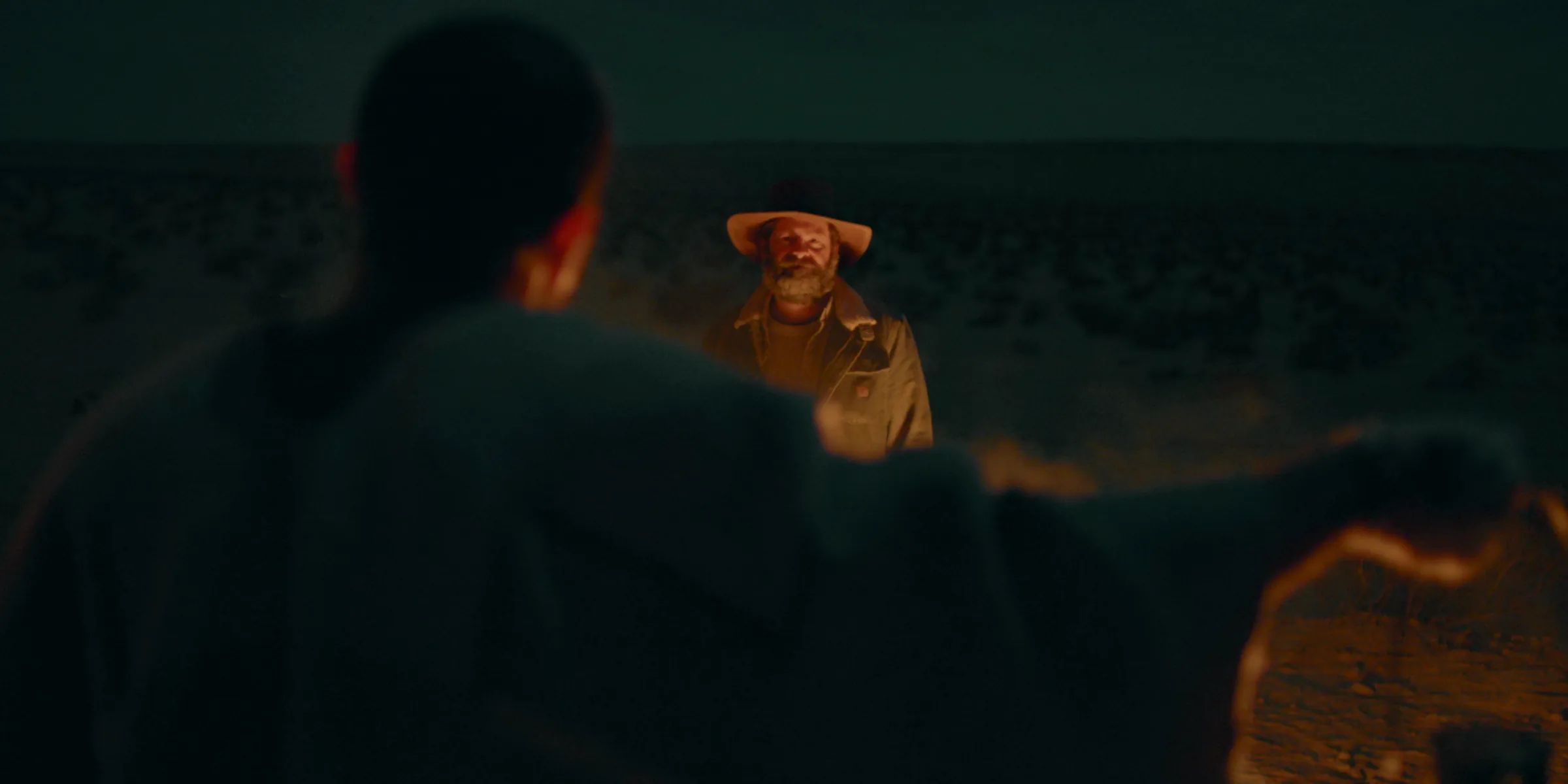
Let me start from the beginning. For a few months I'd been fixated on a series of anonymous short films known as Takeaway Scenes. They were all filmed in a single unbroken shot with no film lights and heavy emphasis on performance. Eventually a group of us discussed trying our luck with similar constraints: one scene, actor centrism, no cuts, no film lights, etc. I began writing a script called DEMON, based on an old story of mine about a city girl who goes to help on her aunt and uncle's farm after their youngest daughter goes missing, only to discover the girl imprisoned beneath the barn. But instead of midwest farm country, the backdrop of Demon would be the desert by night.
Of course, planning a night shoot in the desert has considerable obstacles. Number one being: it's a night shoot in the desert. It would be impossible to shoot without film lights unless we came up with some clever new type of solution.
We started by exploring the latest in low-light camera technology. Unfortunately in 2016 the best examples of moonlight cinematography were achieved using the Sony A7S, and still the results left a boatful to be desired.
Beyond the A7S's technical shortcomings, there are variform reasons why its moonlight footage tends to look bland. Almost all is graded too brightly, failing to reflect how our eyes actually appreciate nightscapes. They also tend to lack a point of contrast such as fire or flashlights, thus appearing “day for night” because the ISO is so boosted that even a lamp would be tragically overexposed. Another issue is that, unlike sunlight, moonlit footage is dull and flat because the moon doesn't provide strong directional lighting.
Well, mostly it doesn’t.
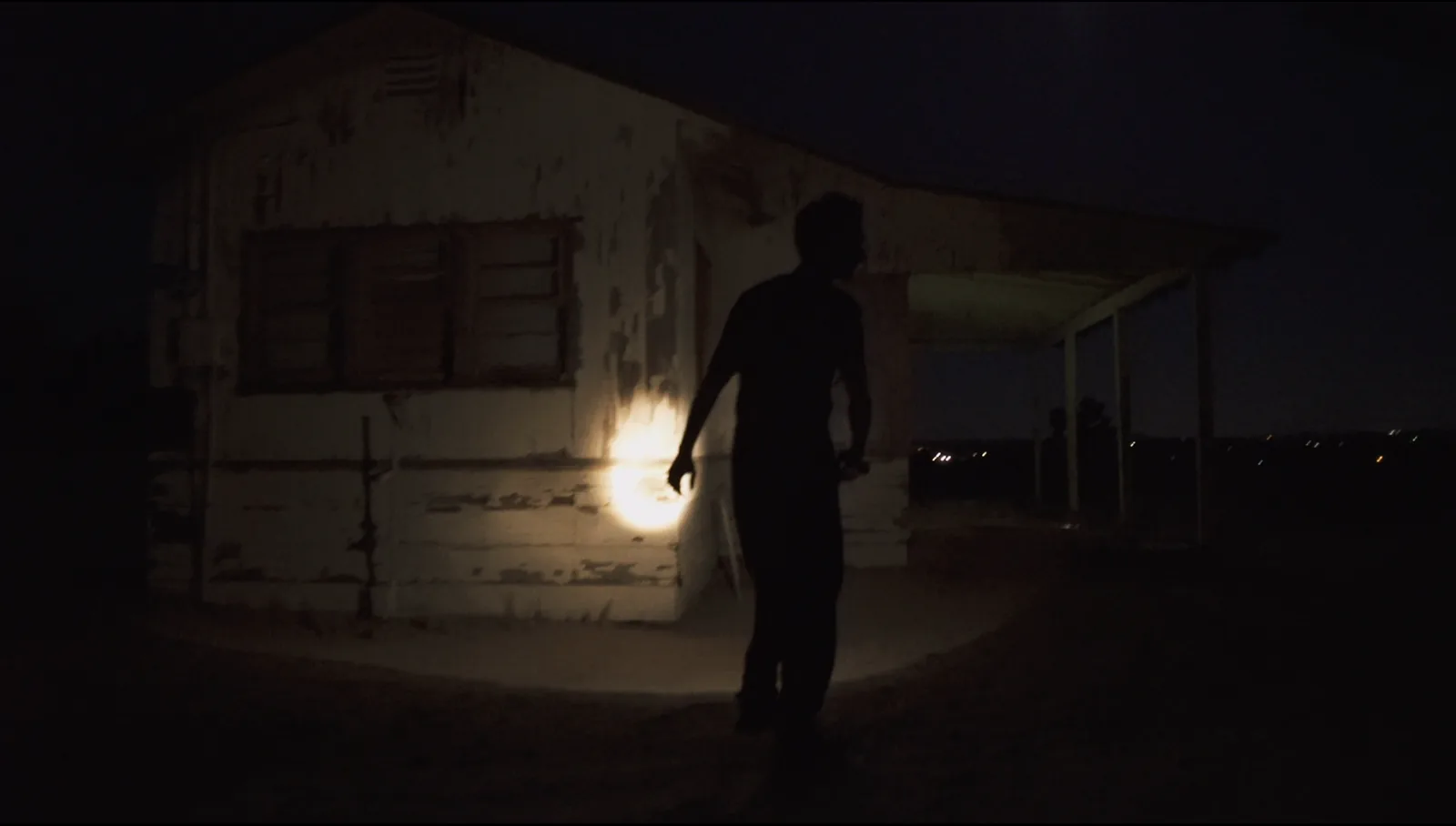
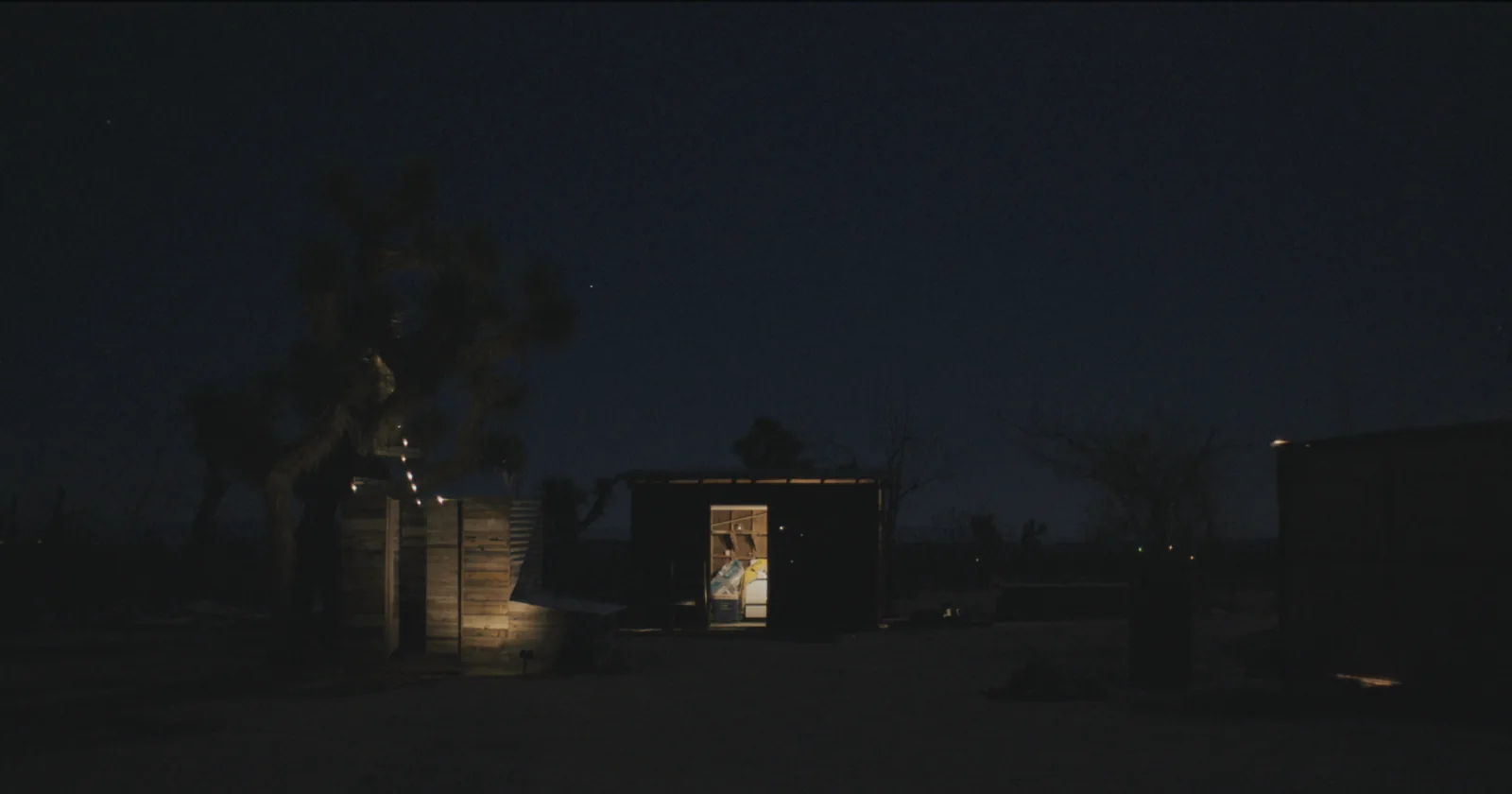
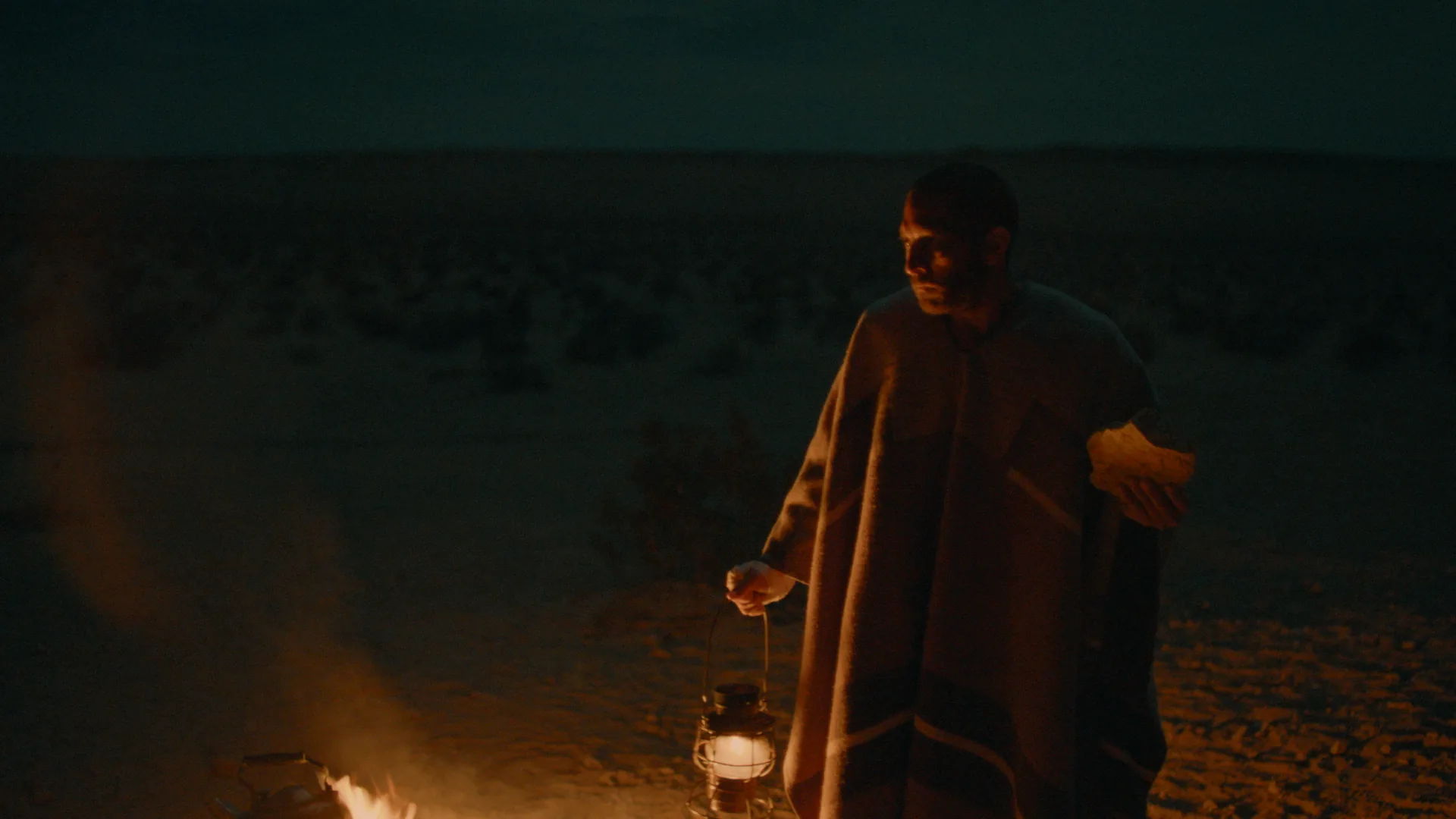
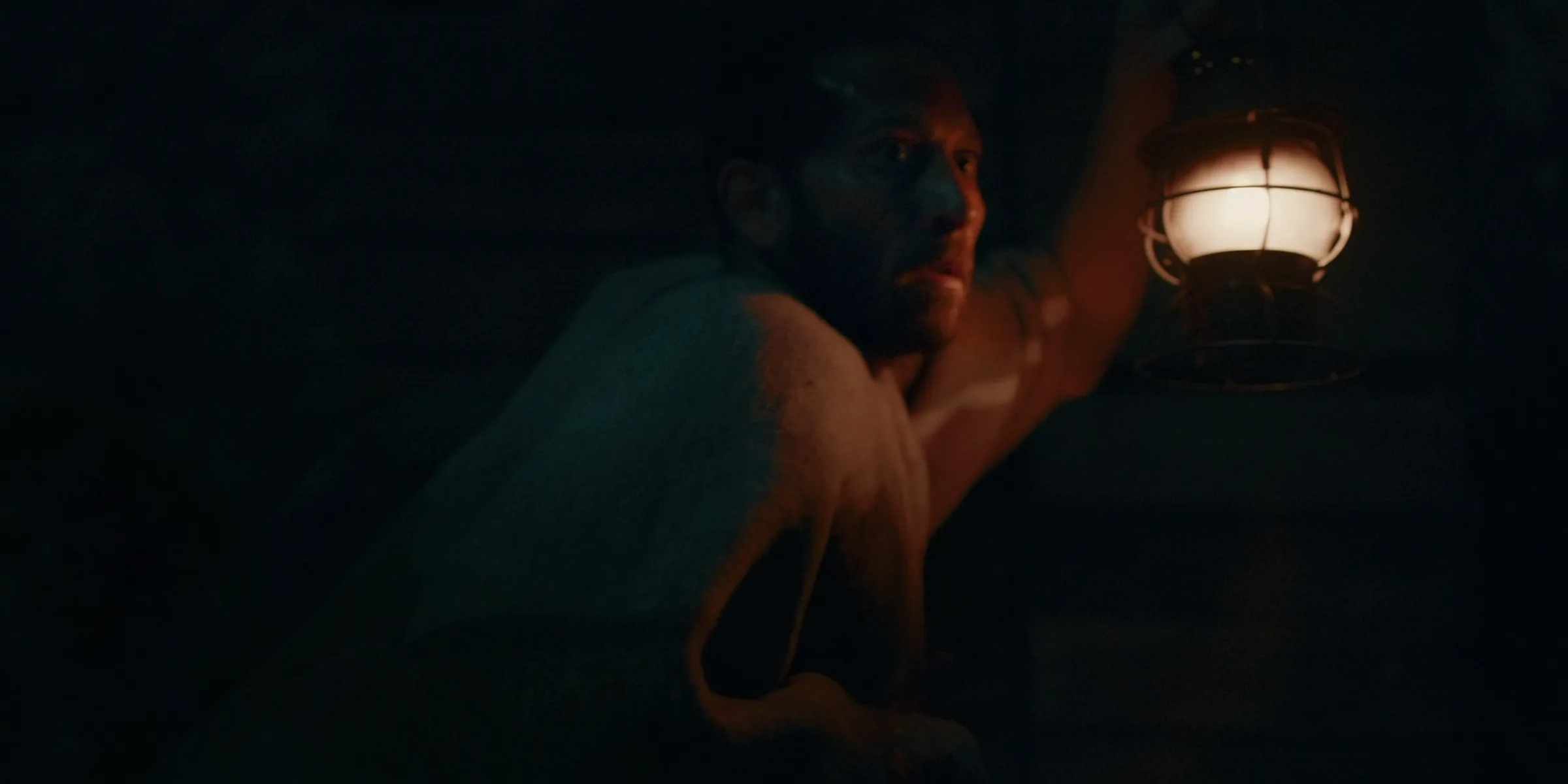
All of these issues can be fixed with a single tool: the full moon. At the moon's maximum brightness, source lights such as lanterns and fire can be exposed to match it. In deserts especially, the bright sandy ground acts like a vast bounce board, amplifying the minuscule moonlight and providing critical detail, which would otherwise vanish into shadow on grassy or dark ground (trees and bushes bounce zero light).
As you can imagine, there are reasons this hasn't been pursued as a filming strategy. The most obvious being that you have 1-3 days of exposure per month. At best. And if syncing cast and crew availability during one of only twelve annual windows isn't maddening enough, normal weather banality such as a big slow cloud can suddenly decimate a whole month's production. Even the slightest haze in the atmosphere can vastly cut into the camera's ability to expose (as we later learned), turning every crisp mooncast shadow into dull and blurry smears. For these reasons and more, arid environments like the desert are the most amicable for moon cinematography. Or more accurately…the least hostile.
Partnering with Panavision, cinematographer Drew Dawson and I set about on months of research trips to Joshua Tree, Johnson Valley and beyond, testing a wide range of optical solutions. Ultimately we settled on the Panasonic VariCam 35 with Panavision lenses.
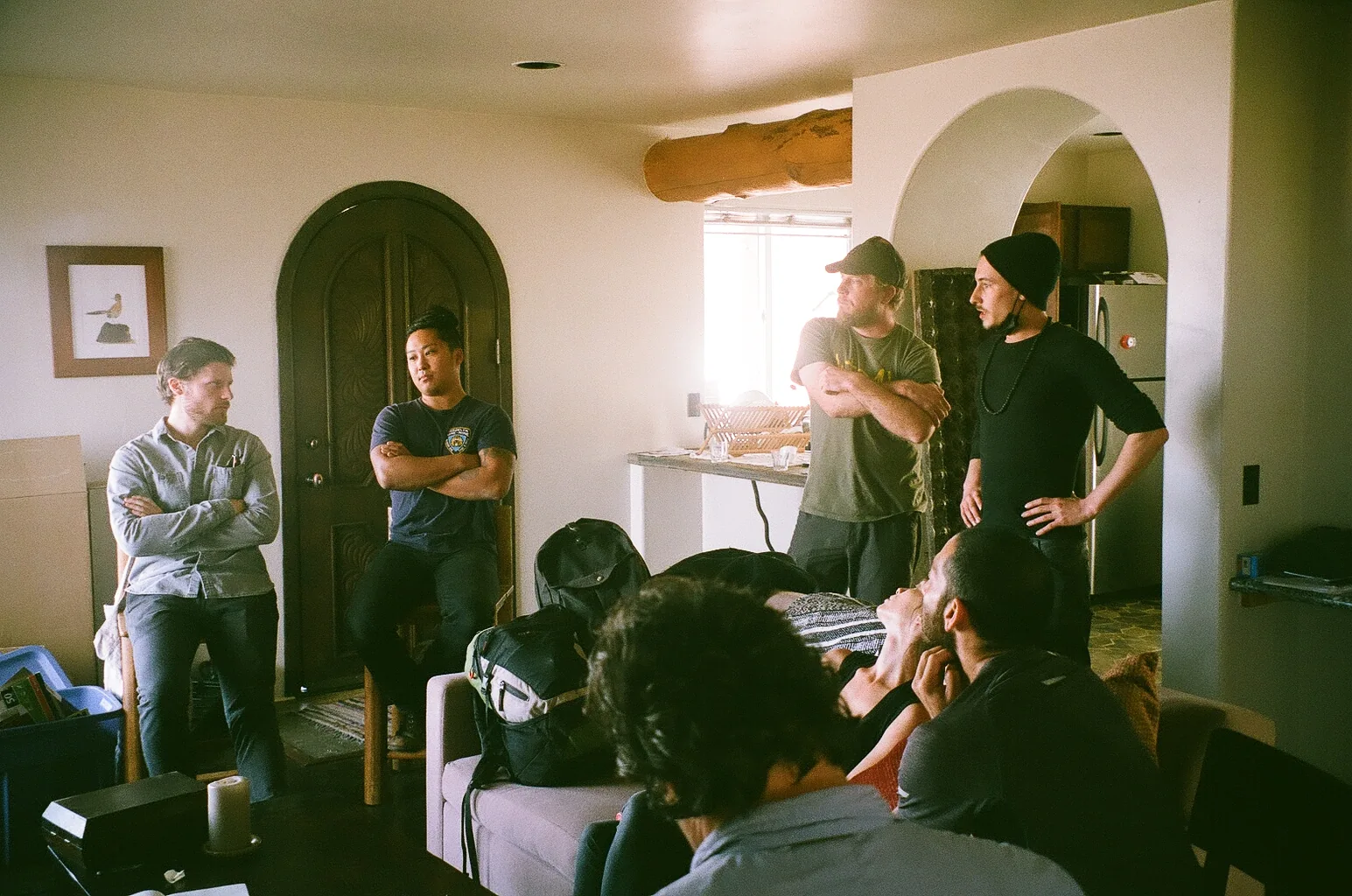
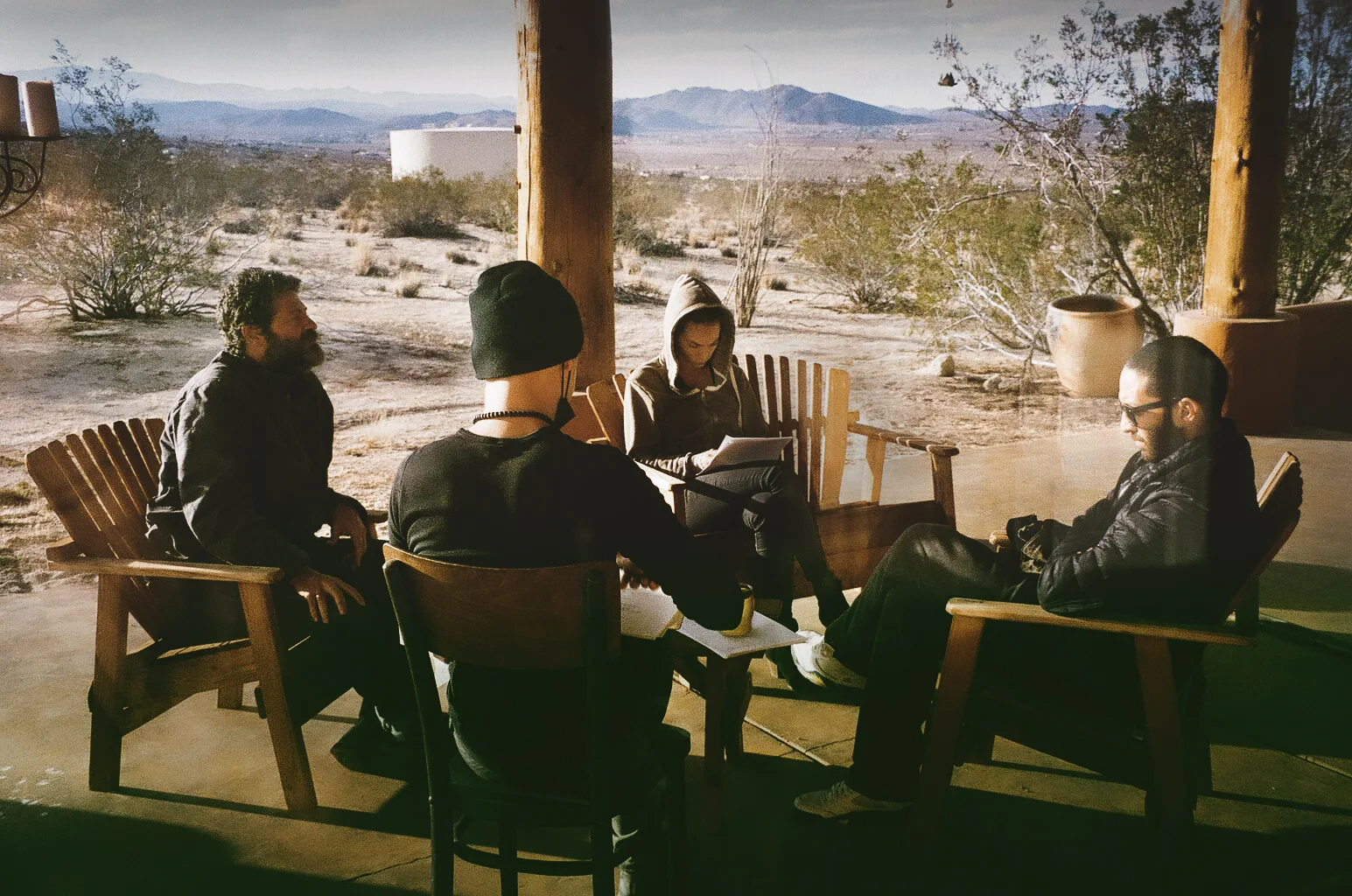
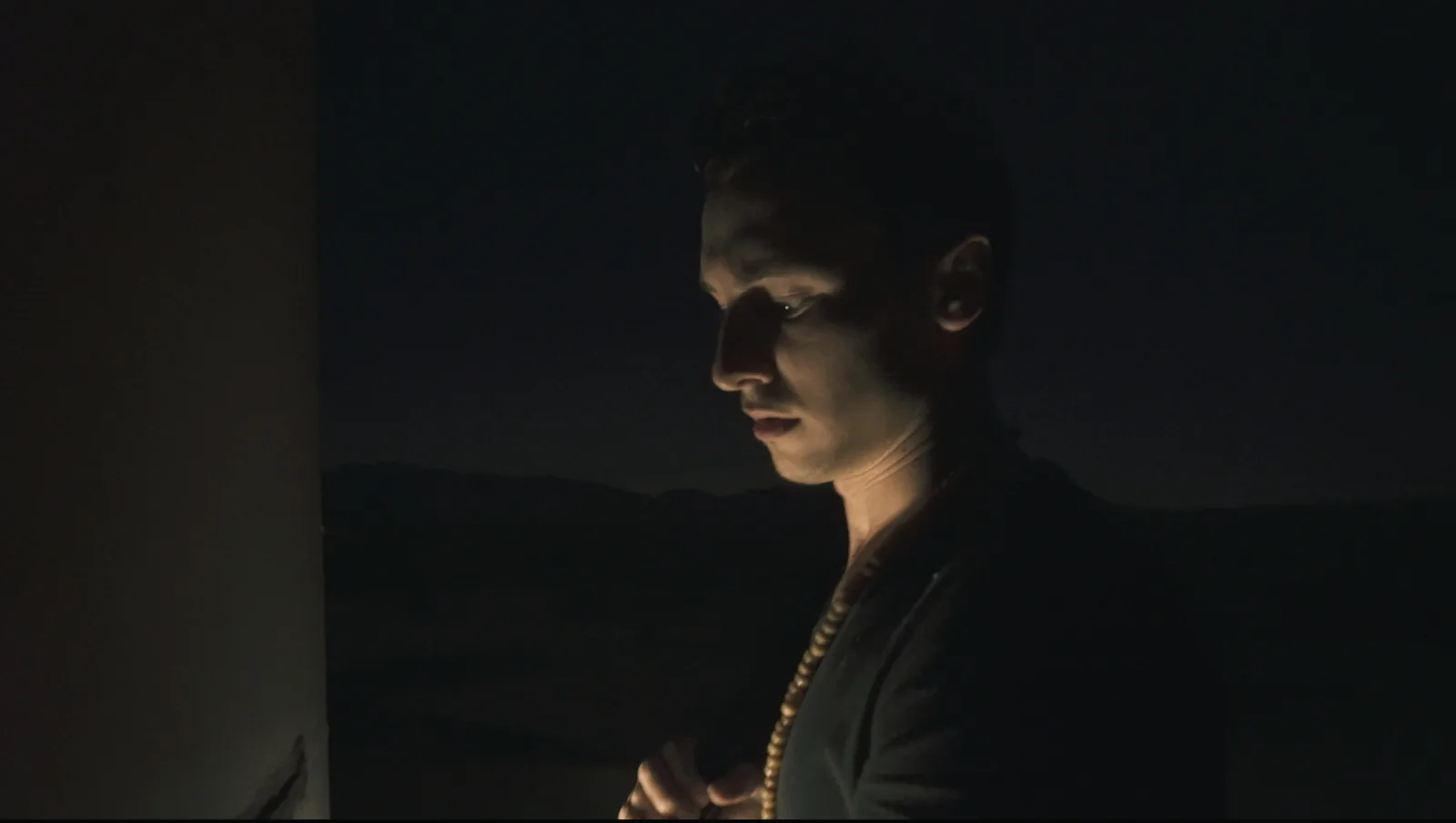
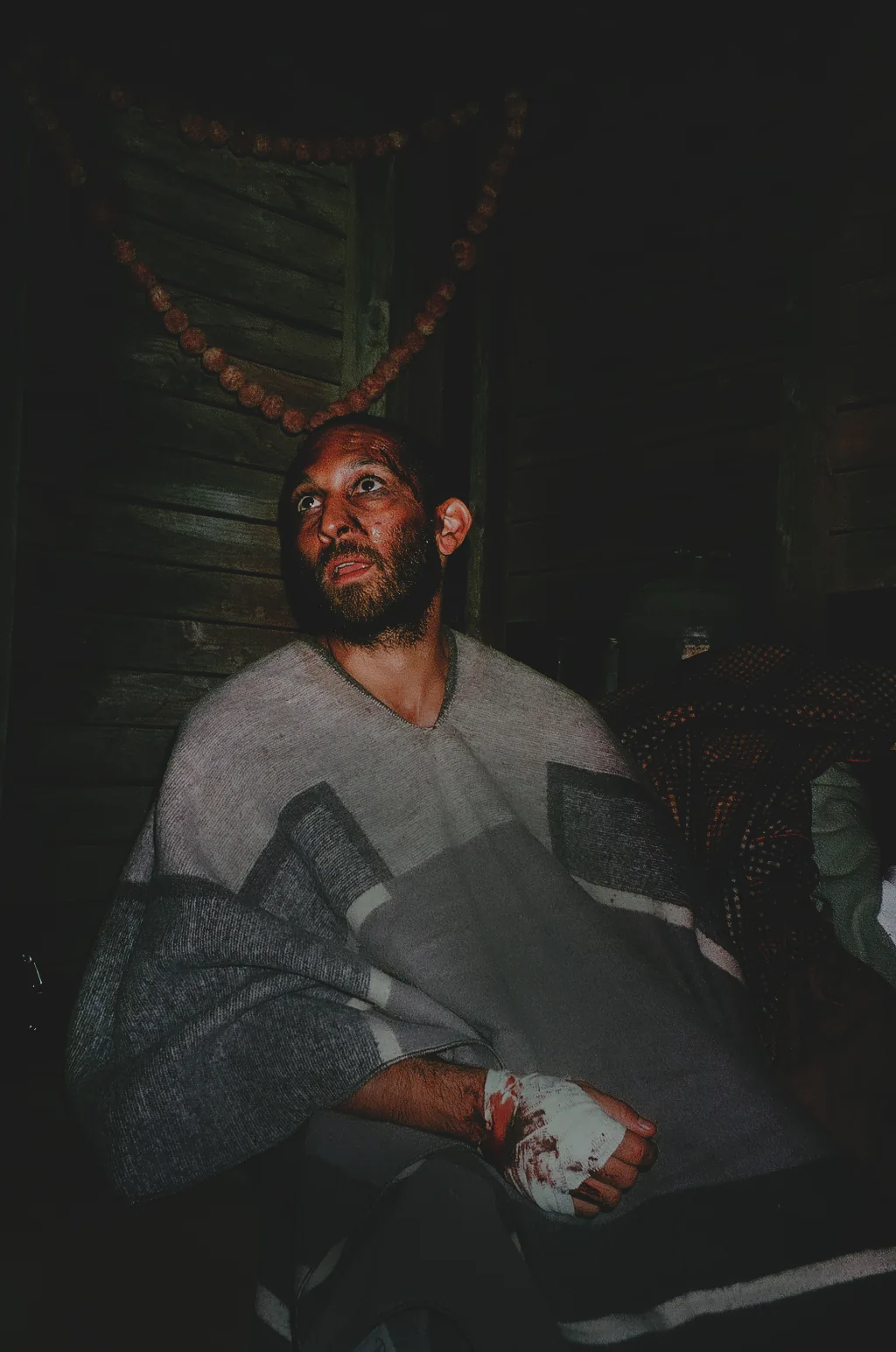
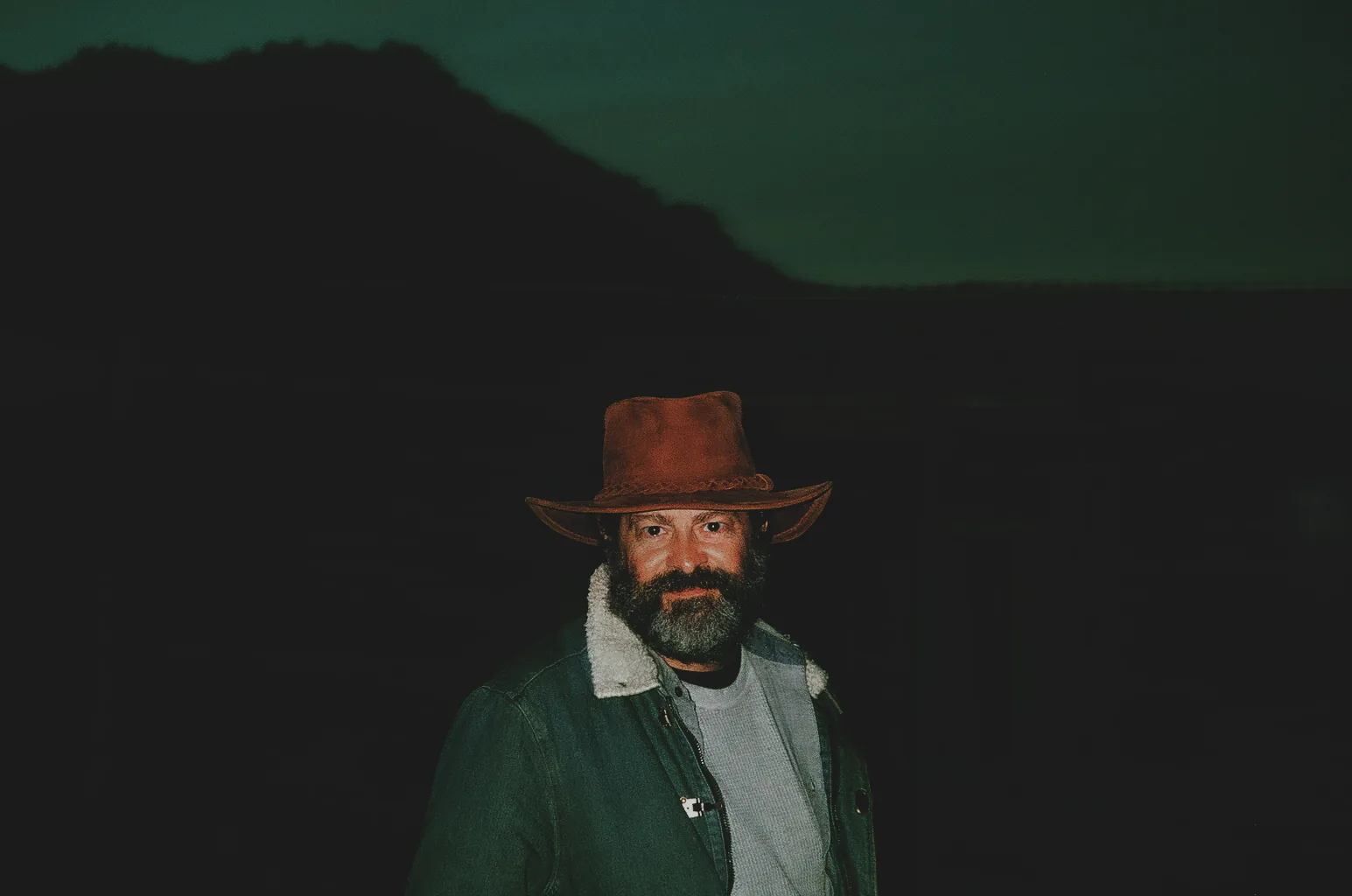
The cast came together quickly. I wrote the role of Marco specifically for Brent after seeing his exhilarating performance in another short. Then halfway through writing I met Kirk Baltz, who had seen my tribute edit to Philip Seymour Hoffman, a beloved friend. As soon as the first draft was ready I fired it over to Kirk, who enthusiastically agreed to play Bill. We held a table read, and producer Eric Machiela brought his company GRLA on board to co-produce with Keita Yamamura at Toboggan, who generously put up our budget.
Everything appeared to be coming together. The plan was ambitious, sure. And we had a year of false starts, conflicting schedules and rogue weather patterns. But at long last in December we finally locked dates. And absolutely none of us knew what to expect.
Perigee
Filmmaking is notorious for its blustery ups and down. You win some, you lose some, you pray for delicious crafty. But once in a blue moon a project comes along that whiplashes any semblance of balance into the gutter. A project in which every force of darkness seems to forge an alliance against you, conspiring in a singular mission to oversee your demise. Such was the making of Demon, where a decade of good luck and wonderful shooting experiences abruptly expired, and the shadows came to collect.
While living in Joshua Tree a couple weeks before the shoot, I fell into small talk with an old woman munching on a scone outside a dusty cafe. When I told her what we were up to out there, she replied without a flicker of humor that to chase a full moon is "to court chaos." She spoke of the moon with feminine pronouns. She said her gaze is long and heavy and something about no suitors.
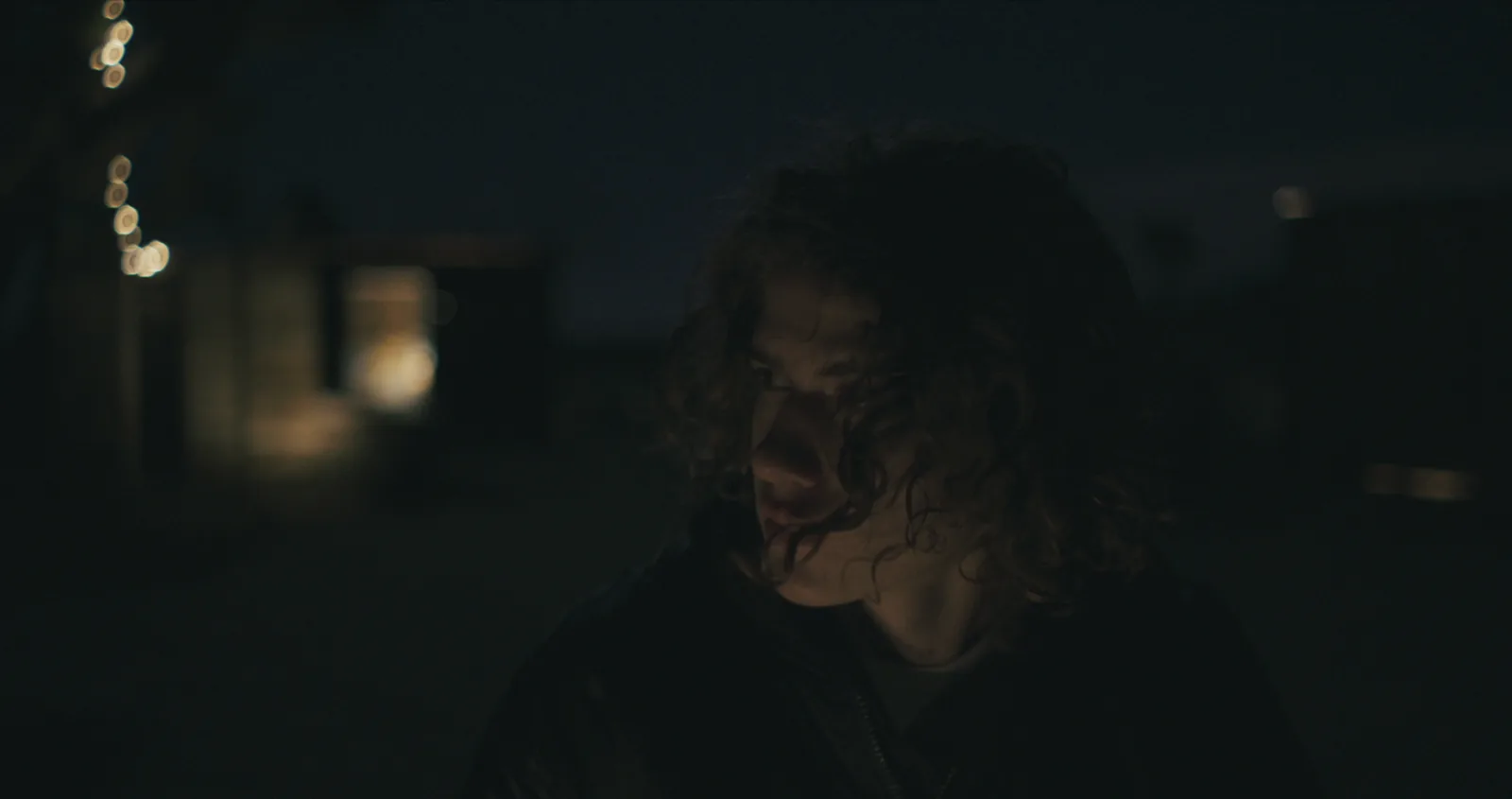
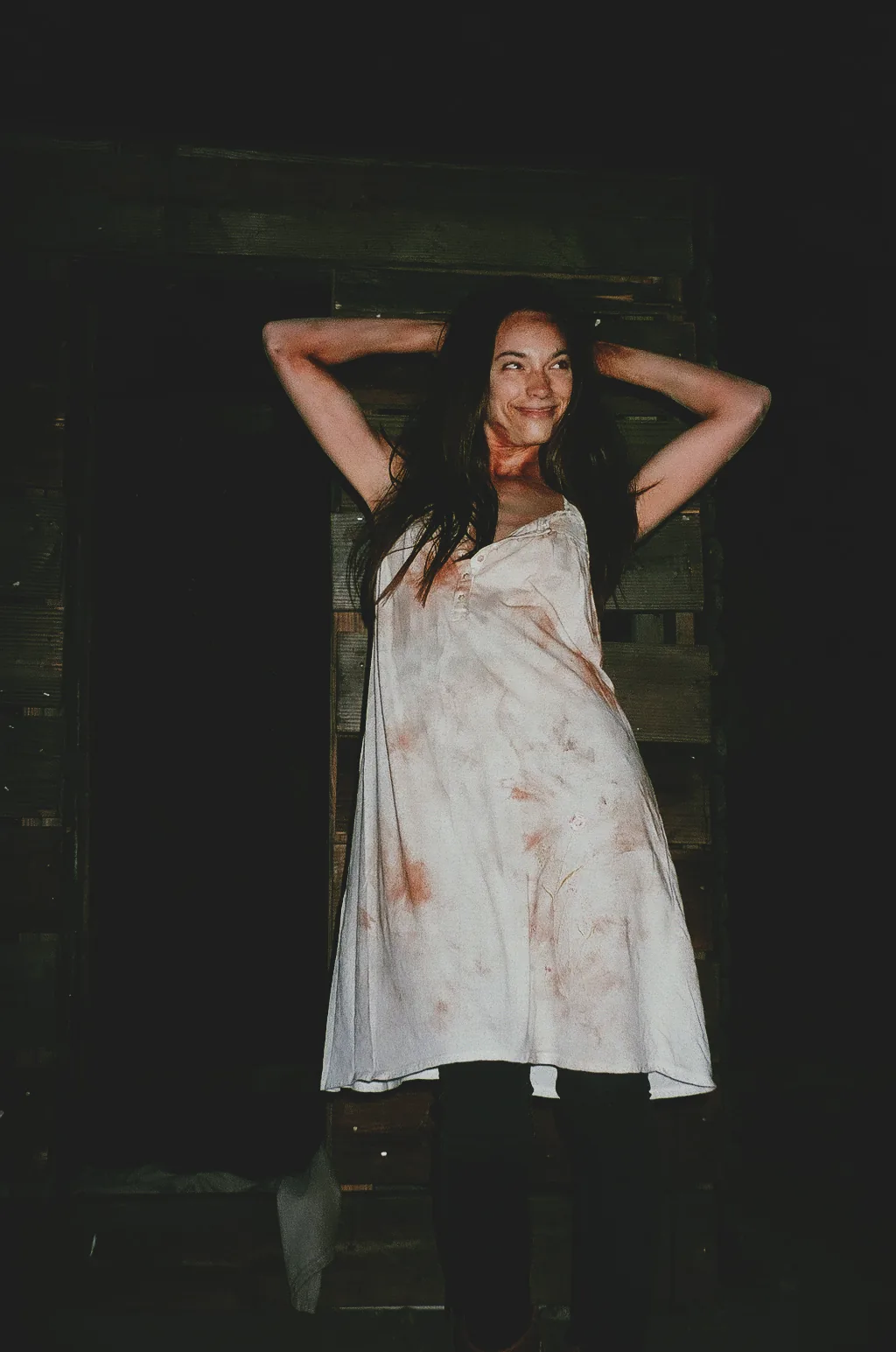
The next day one of our three main actors was forced to drop out. Having spent months auditioning to find someone of his talent and almost a year of intermittent rehearsal, we were unable to find an androgynous actor who could effectively replace him. Ultimately the role was rewritten as a woman when gifted actress Sophia Savage offered to take on the emotionally taxing part.
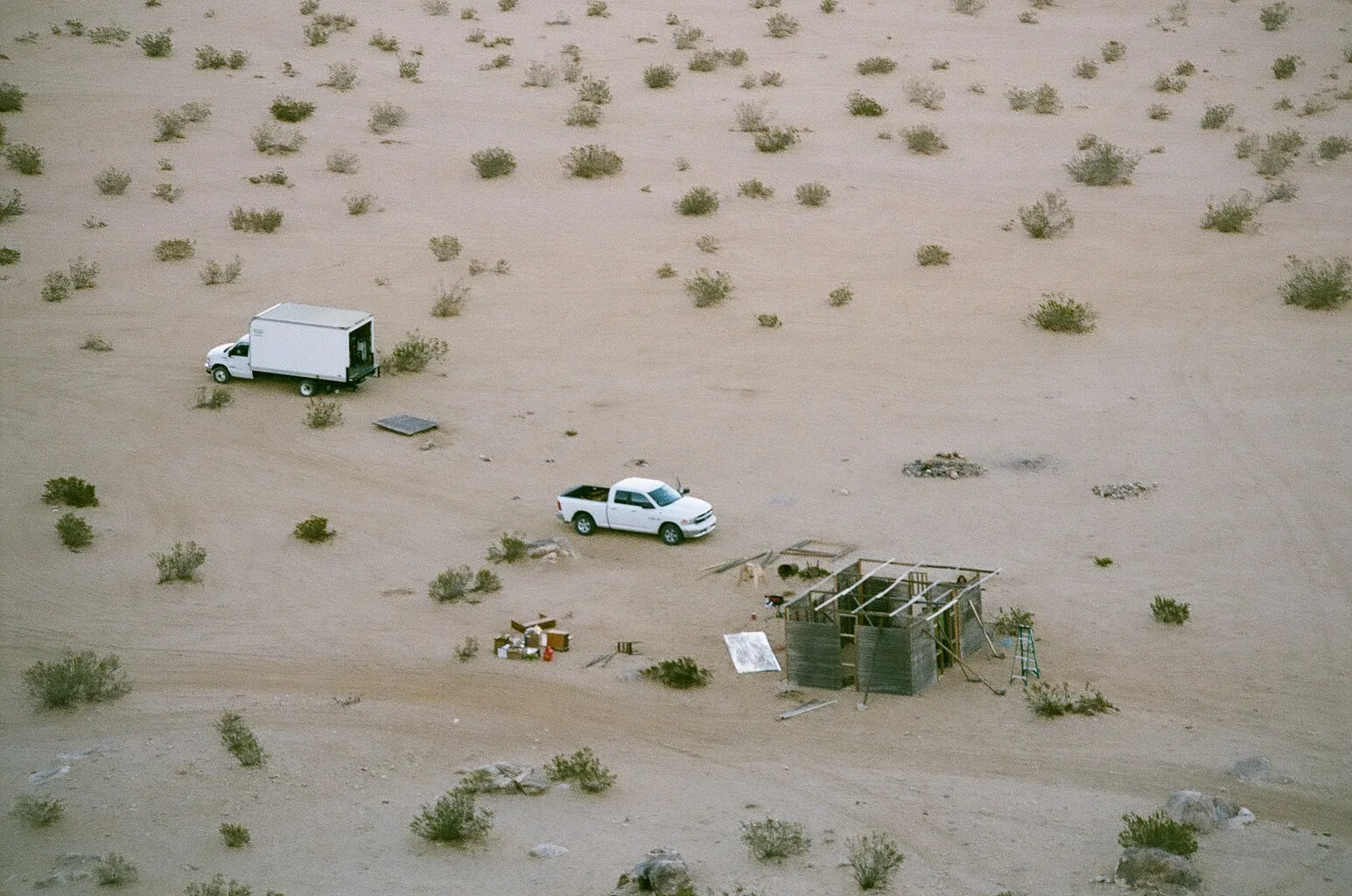
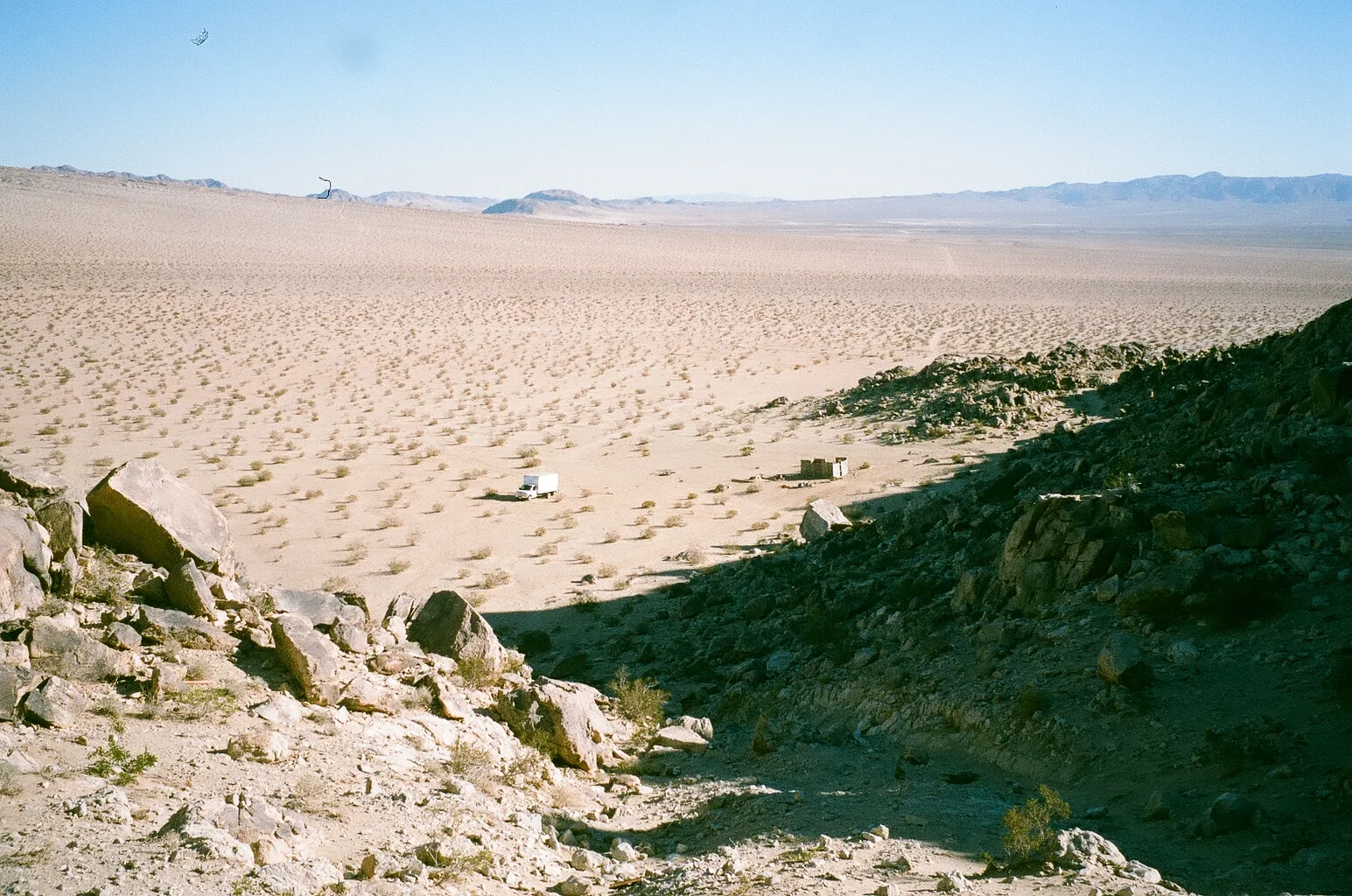
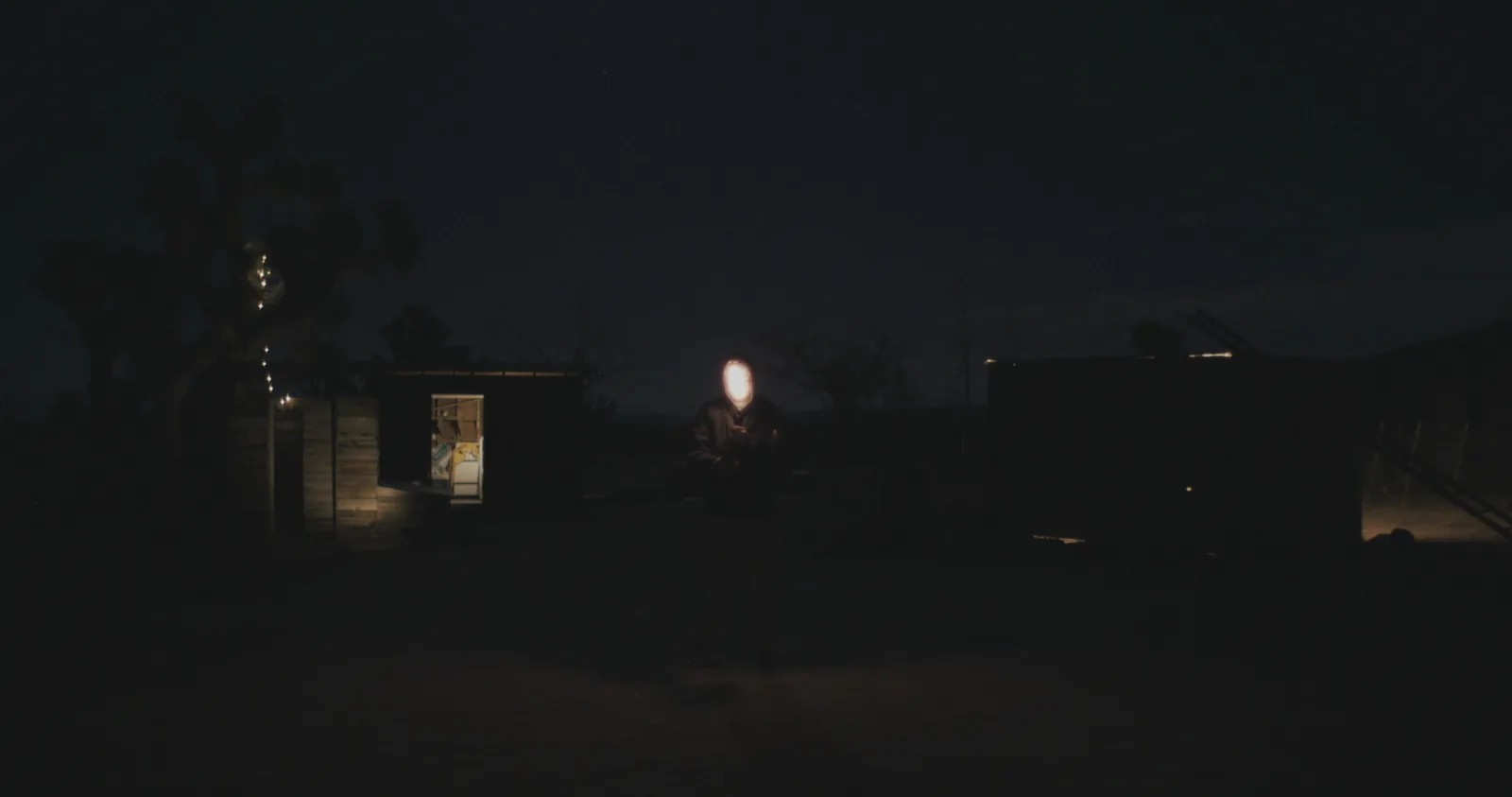
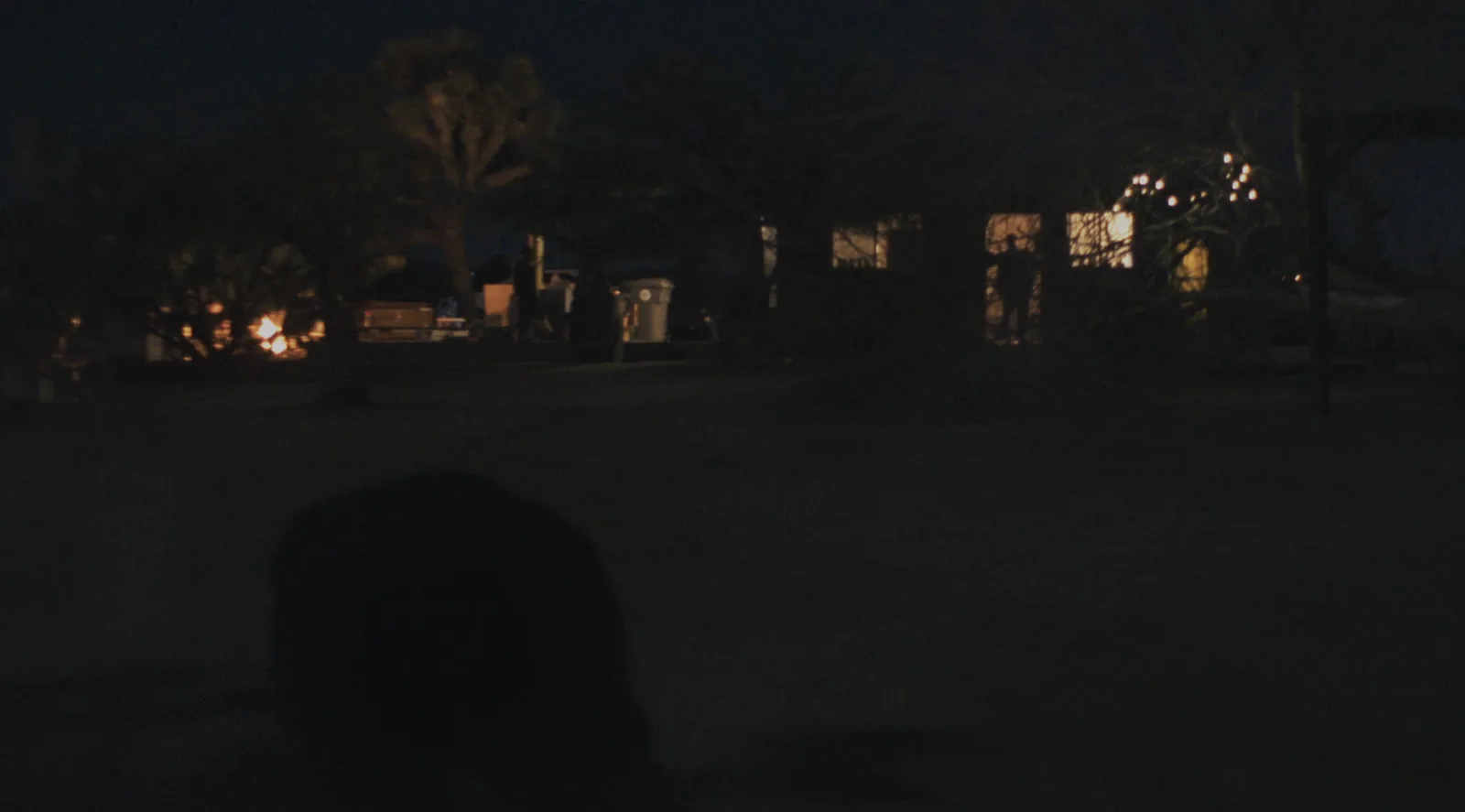
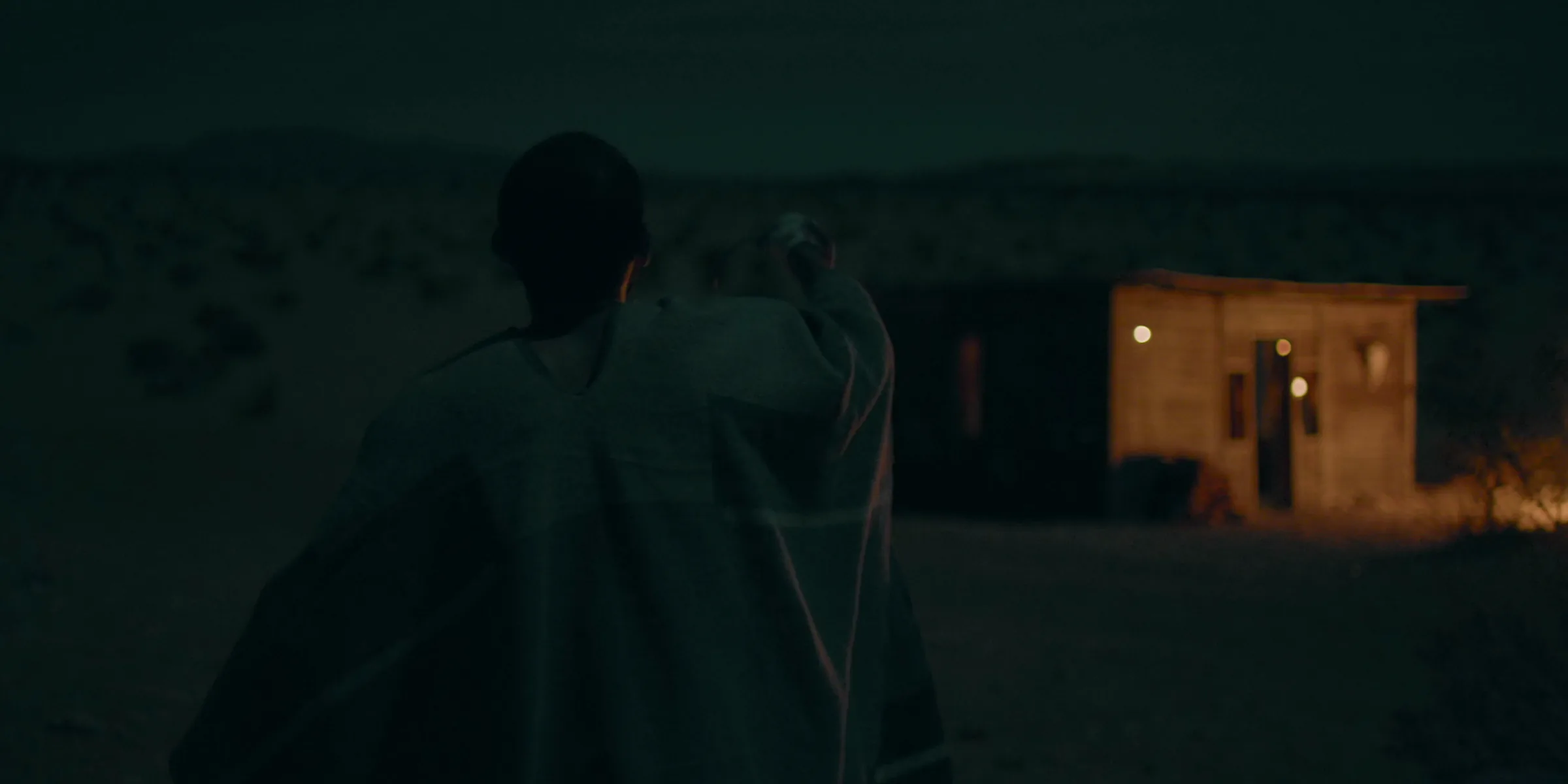
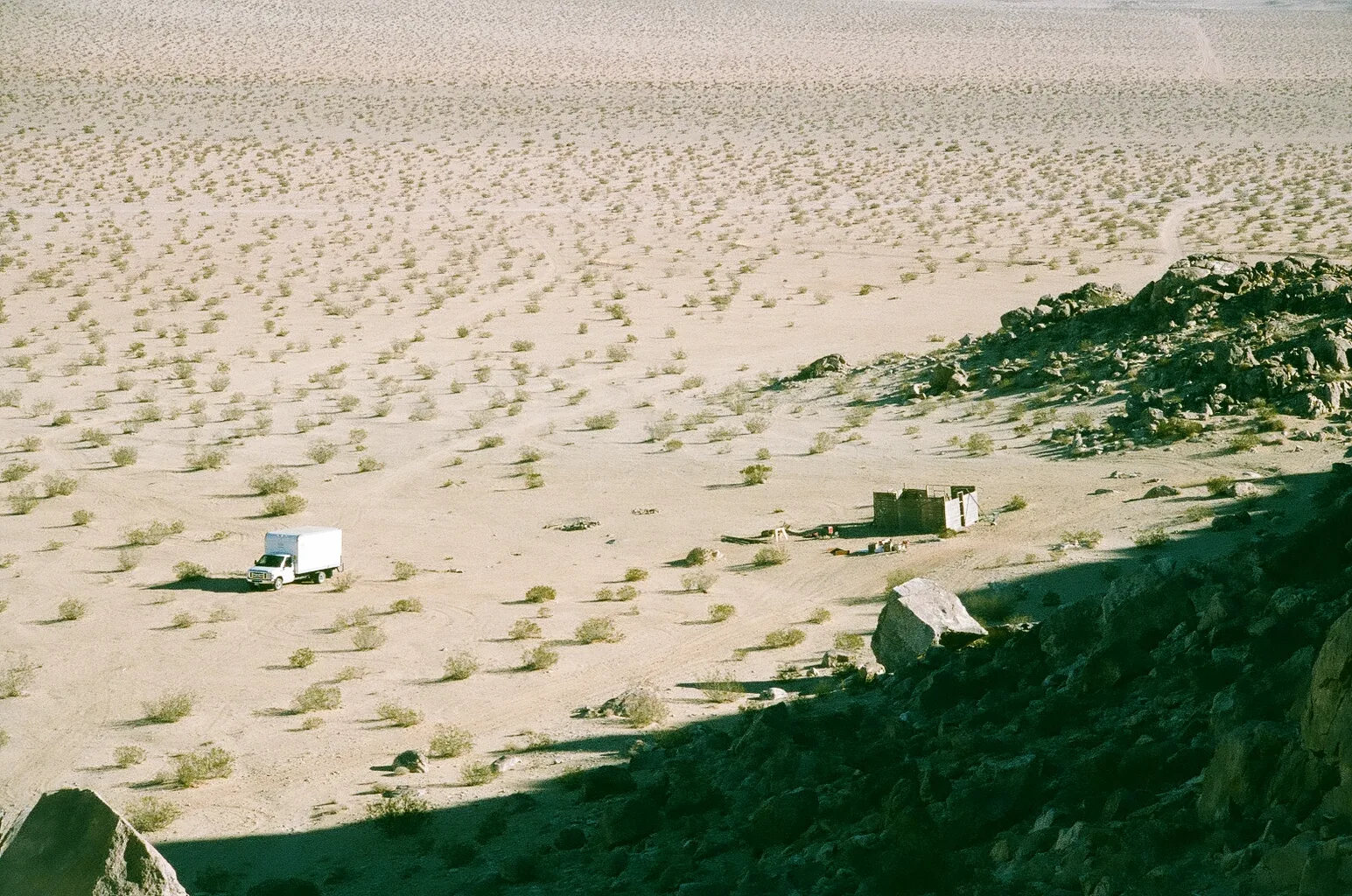
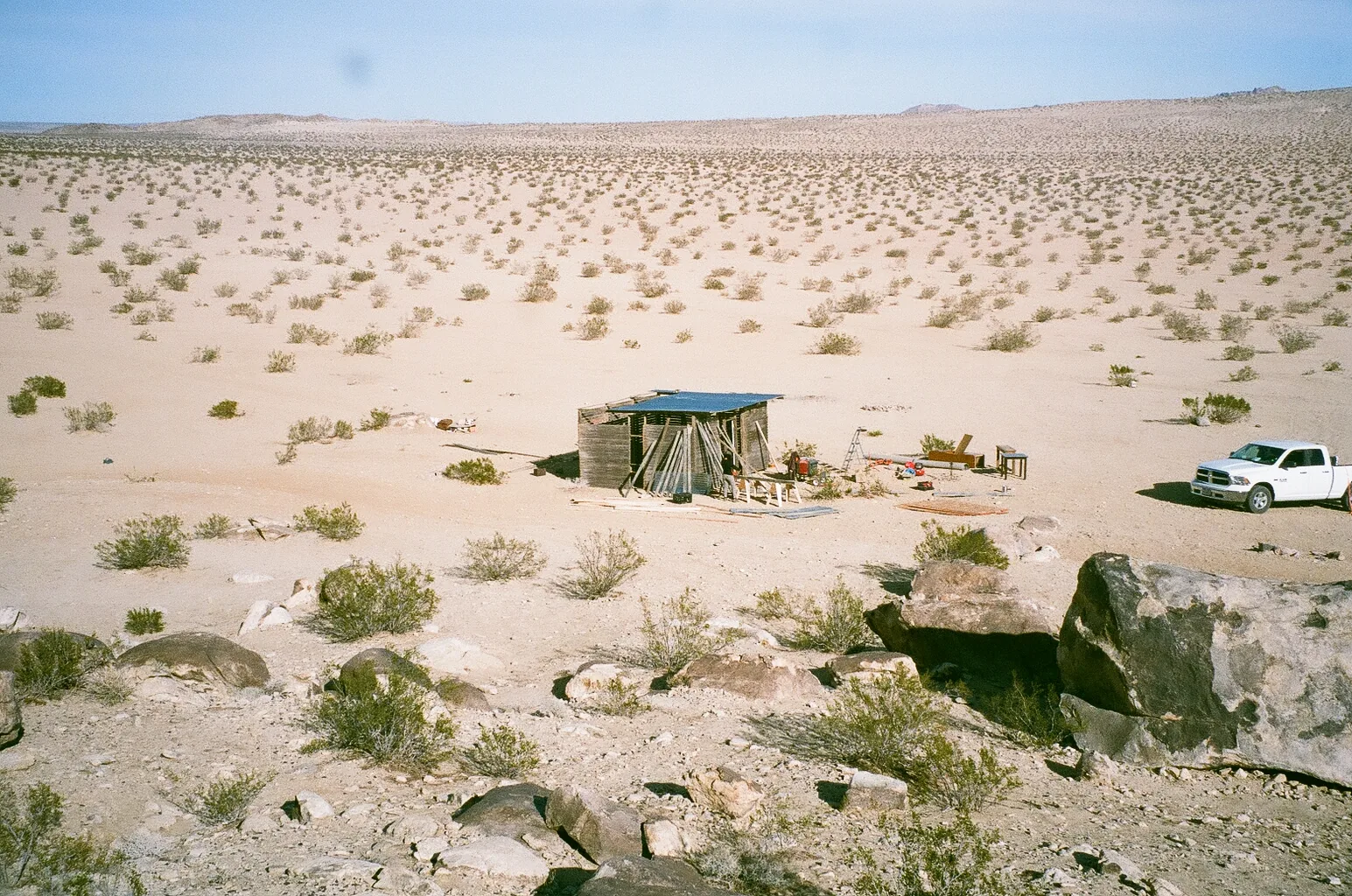
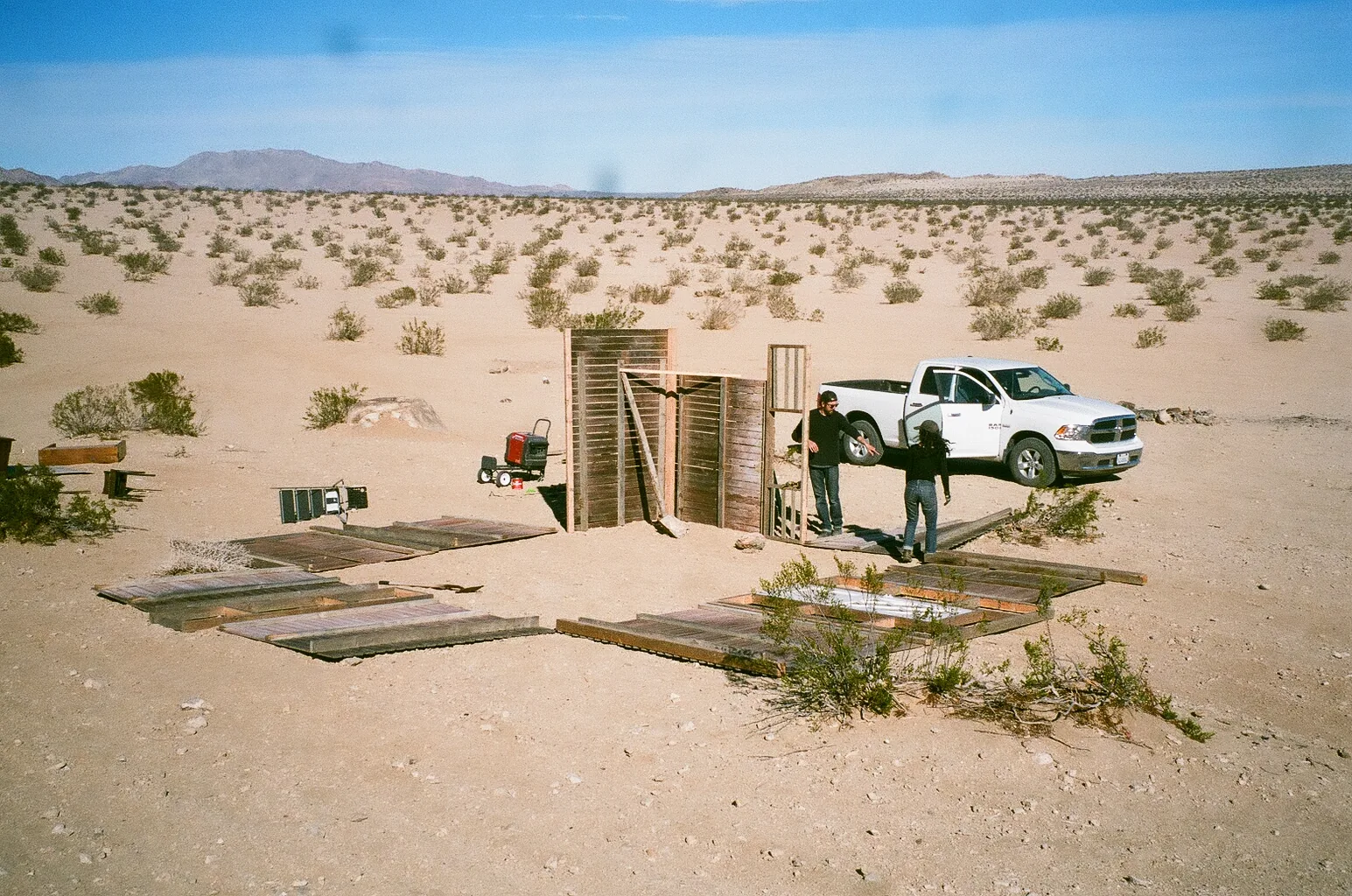
After scouting a dozen cabins for our primary shooting location, it became clear no existing domicile would do the trick. For the film to be effective we needed zero light pollution and zero sign of life for miles in every direction. Normally you can cheat this in a movie, but because the very essence of Demon is to experience Marco's isolation in a massive 360º unbroken sequence, our only choice was to build the cabin from scratch somewhere in the woefully remote desert.
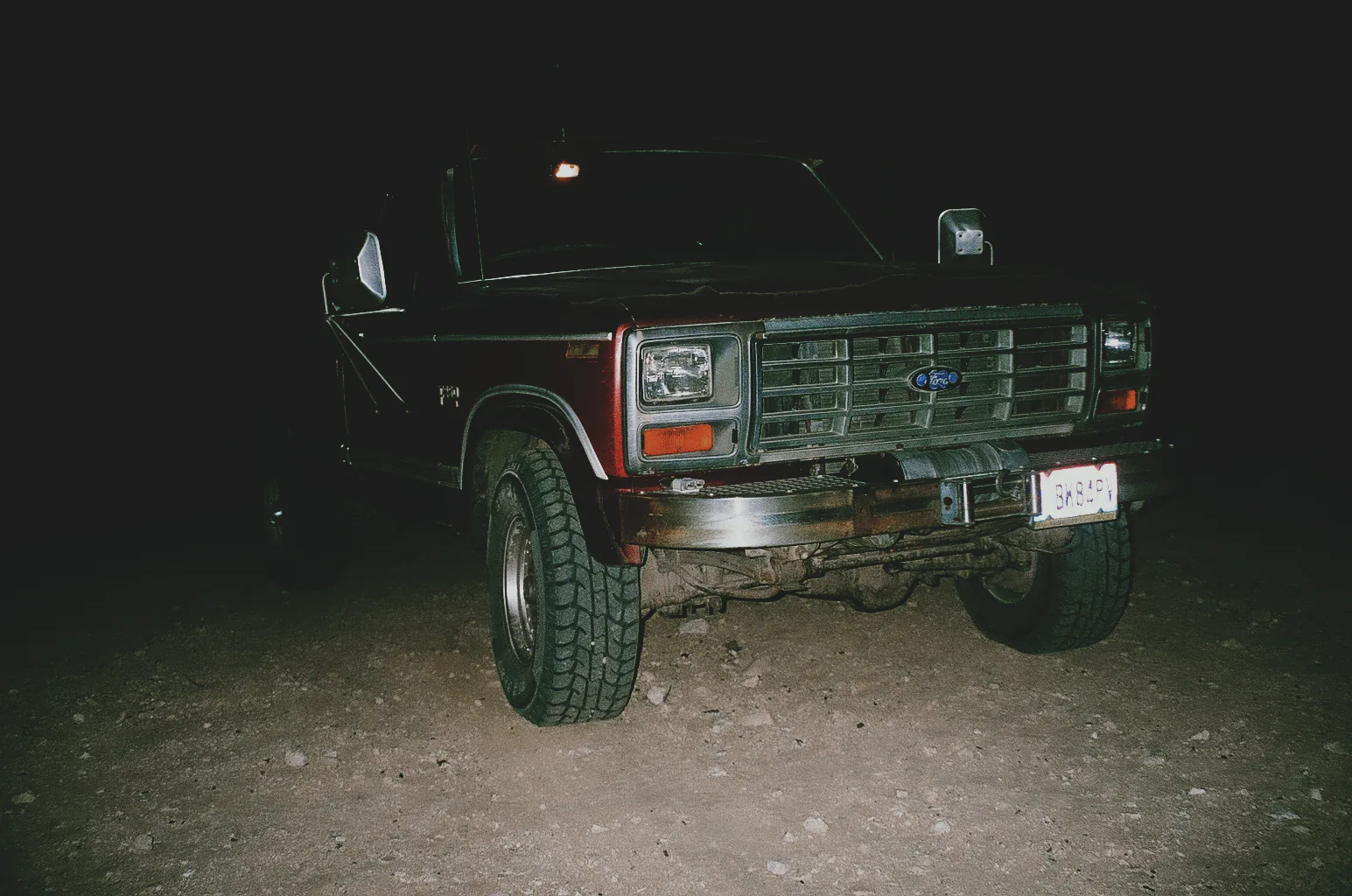
During the first scout for a build site our vehicle blew two tires simultaneously, stranding producer Machiela and I miles inside a network of abandoned mining roads with no cell phone reception and no bueno. This resulted in a very long walk. Followed by an embarrassing tow truck ride and a potpourri of cascading logistical headaches only a week before the shoot.
Later that night I stepped outside for a cigarette and found nothing but pitch blackness. Panic set in. It was a five days before the shoot and at 3am the moon was not in the sky. This spun the whole production into chaos. We had checked lunar patterns for our dates, scouted multiple full moons, employed the expertise of every overpriced astral iPhone app, and here the moon was: setting hours before anticipated. Over the next two days we had to rethink the whole execution from the ground up. We would need to get film lights, a generator and shoot more traditionally. We'd have to compromise everything we set out to achieve. Little did I—or apparently anyone else working on the movie—know that the moonrise and moonset shift 45 minutes every night. Meaning if the moon rises at midnight tonight, a week from now it will rise at 5:15am. Fortunately we realized this in time to get the show back on track and ready for the next rigamarole.
Armed with a brand new rental truck, we set forth yet again to find our build site. This time we were a mile deeper in mining country when the road rapidly morphed into lightning sand reminiscent of The Princess Bride. We were stranded again. When the beleaguered Tow Guy finally arrived hours later, he told us the road had been washed out due to the recent desert flood. “Flood?” Machiela asked. “How often does it rain out here?” Tow Guy replied, “‘Bout every ten years.”
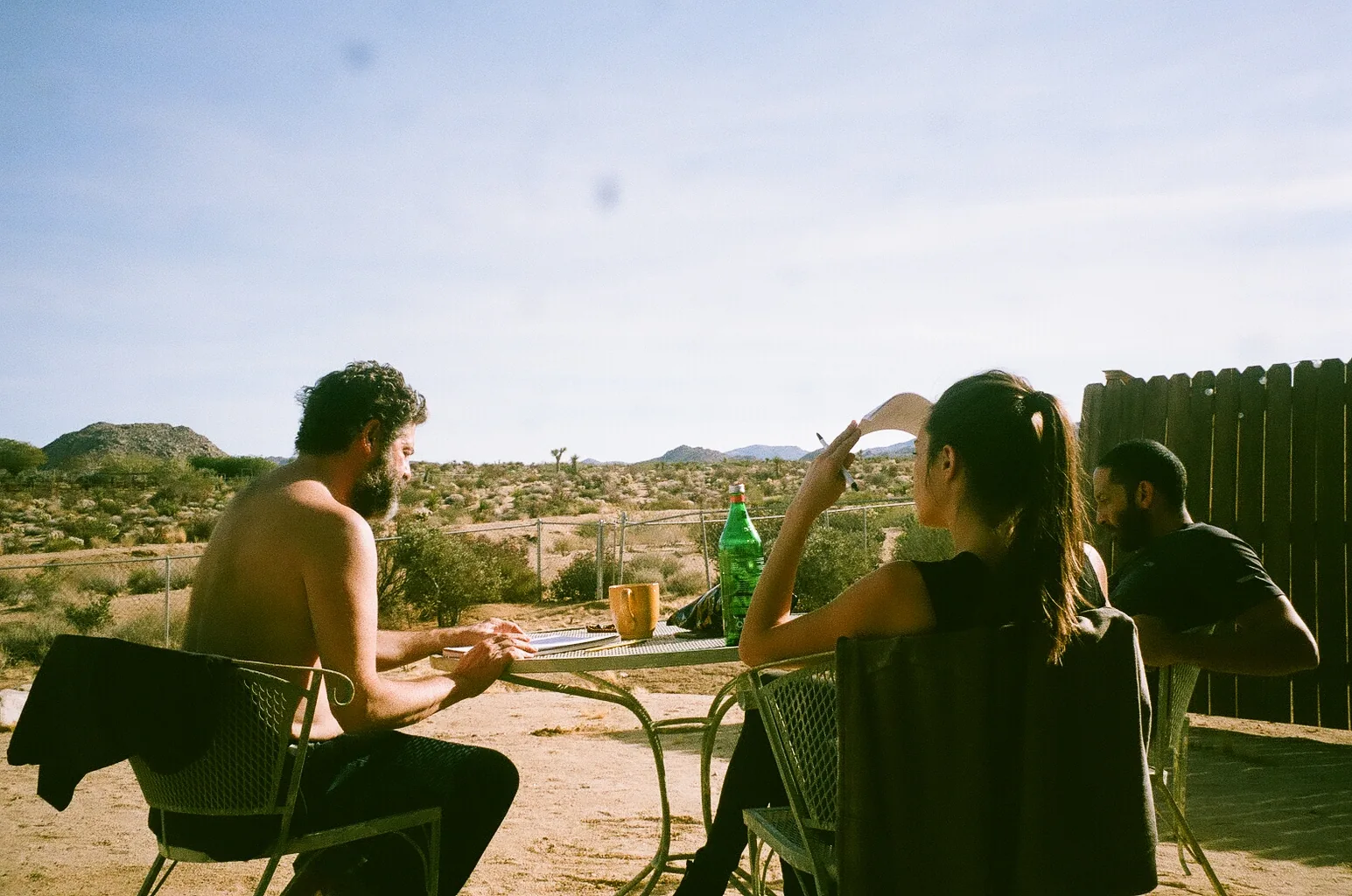
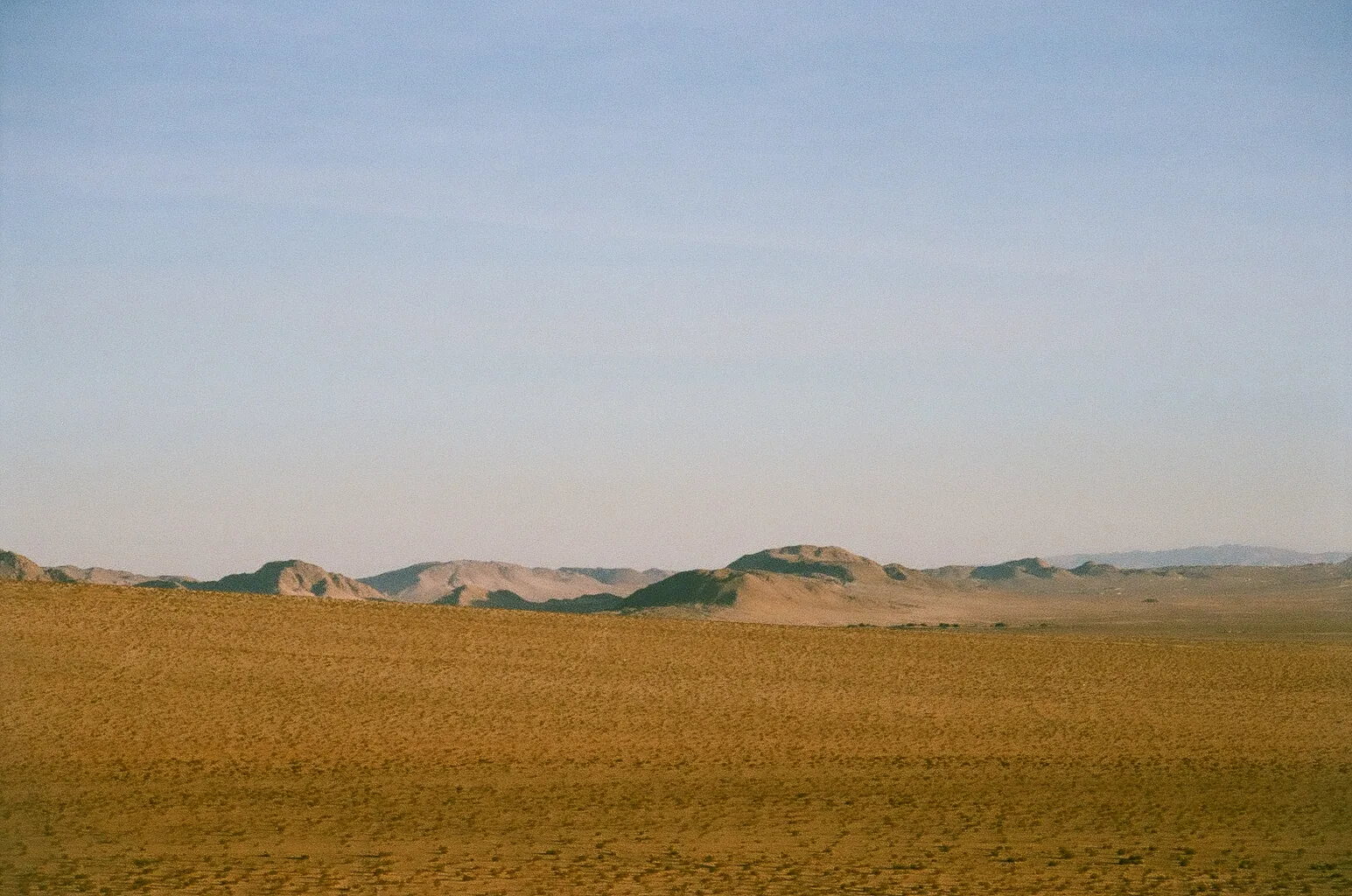
In a postal mystery that persists to this day, our entire cabin light source of doublewicked beeswax candles vanished without a trace under dubious USPS oversight. This threw our lighting strategy into tumult a day before showtime and resulted in the procurement of truly shitty candle substitutes from dollar stores which frankly sucked and barely produced any light and would blow out if you even so much as thought about sneezing near them and basically tormented art department to despair.
After finally locating a build site ninety minutes from our basecamp, we needed old wood to build the cabin. The plan was to raid decaying gold mining shacks left scattered throughout the desert. Technically this form of recycling is illegal, so Machiela and production designer Trevor Post went by cover of darkness. During one of these escapades, yet another vehicle became stuck in a recently flooded sandy road. With a newfound commitment to not making a third embarrassing call to Tow Guy, our gaffer offered to use his truck to pull the car out. This was a catastrophic error. One blown transmission and two mortifying tows later, we were out five big ones and our gaffer's truck was stuck in the apparently wealthiest tow shop in Yucca Valley.
The filming itself was originally supposed to be two and a half nights. But when half of our set blew off a mountain and shattered on rocks below, we realized our meticulously chosen location (and the BLM permit handcuffing us to it) were smack in the path of a violent wind tunnel clocking highway speeds. No manner of reinforcements could keep the cabin on the ground, let alone a steadicam steady. By the time we found a new location, choreographed new blocking, rebuilt the set and prayed to god the BLM didn't find us, we had only 12 hours of moon exposure left to shoot the entire film. For the uninitiated, capturing five minute of final footage in a day is considered exceedingly high. We needed to shoot nearly five times that.
There was no plan B. All the money in the world couldn't buy what we needed. And even if it could, we were now hemorrhaging cash as problem after problem after problem arose with lighting equipment, destroyed art supplies, medical costs, transportation failures, mental health hi-jinx, spiders in houses, crew pulling out because of harsh conditions and so on and so on until our conservative budget had ballooned to nearly double. We had one night to shoot the whole movie or we were going home empty handed.
By now you may be thinking, "These people are idiots." This is not wholly inaccurate. We had gone against the odds and we were losing. However at no point in our respective careers had any of us experienced something like this. We had watched Coppola in Hearts of Darkness, sure, but the unrelenting sense that some supernatural force had put our film in its crosshairs was beginning to take hold. At one point Machiela looked at me and half-seriously said, "How about next time we make a movie called Angel?"
Adding to growing superstitions, crew members’ electronics were beginning to go haywire. Strange voices leapt in and out of our calls, texts were constantly failing or causing pandemonium by going to the wrong people, and many devices routinely broke down. In a particularly theatrical episode, my partner (our set architect) whose desert home we commandeered as basecamp almost called the whole thing off when a series of old romantic texts from an ex re-synced on a laptop and timestamped to the present. This took a day to cool down and provide requisite paper trails, but eventually our focus was back on track with the other fifty disasters.
In a fascinating act of health consciousness, our caterer elected for a tasty vegan menu without anyone’s awareness. While astonishingly ambitious, this sent the set careening towards a mutiny in the middle of nowhere during our first night of dress rehearsal. At the rabid bequest of many a crew member (whose moon-dilated pupils did little to dampen the eerie sense of lunar frenzy), a small convoy was assembled for the three hour trip to collect tacos and chicken in town. Thankfully, during the following night’s shoot when we learned our overworked PA forgot all the eating utensils at basecamp, we had a well-oiled three hour strategy at the ready.
The desert is very cold in December. Sickness was rampant and ferocious. Colds, influenza, bronchitis, pneumonia, and a protein-starved steadicam operator rifled through the best of us like the many plagues of Egypt. It was a few days before showtime when I first began vomiting blood. At times it was difficult to eat or even remain standing. Meanwhile my producer fought a losing battle with the flu. Both of us kept these ailments under wraps. You see the whole crew was teetering on the edge of believing we were genuinely cursed, and if one of us wound up at the hospital or worse, our production could suffer an irreversible collapse of morale. Each morning my day began with rolling out of bed, trudging to the bathroom and spewing forth mucus, stomach acid and blood like a fire hydrant. On set I even snuck off for some alleged thinking time, only to ejecto patronus the first moment out of sight. The morning after production wrapped, I checked into a hospital for the first time in my life where the diagnosis came back as pneumonia and tuberculosis.
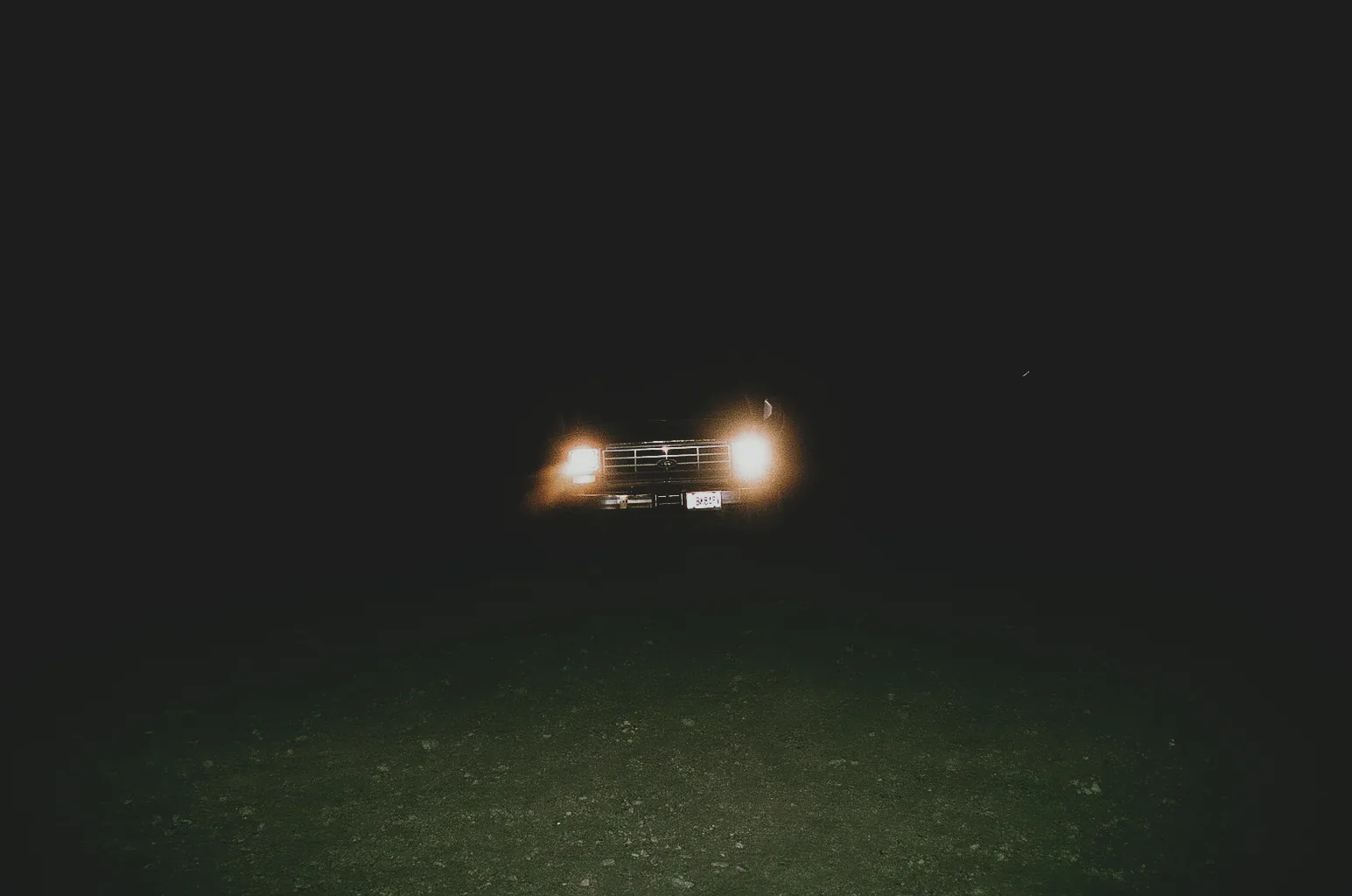
Apogee
For those who haven't experienced it firsthand, there is nothing like the wilderness during a full moon. Animal behavior alone is extraordinary. There is pervasive confusion, hysteria and even the odd mating frenzy throughout the animal kingdom. And we sapiens aren't as untethered as we would like to believe. While it may be impossible to describe with any accuracy the energy of twenty-seven adults gathered in one of the least hospitable environments on earth while nature dreams of herself, it deserves a moment of consideration.
What happened out there?
The words loony, lunatic and lunacy are all derived from the moon's latin name Luna. The moon's wide ranging effects on our thinking, emotions and behavior have been documented since our ancestors got hyped on documenting. The parabolic feminine themes of nature, chaos and renewal were lost neither on the crew nor the story itself. Out in the wild, beneath the lunar tug, a genuine cosmic dialogue plays out in our makeup. Perhaps it's just a reminder of how powerless we are when a planet comes to call. Perhaps it’s a primordial pendulum, ticking away beyond the scope of collective imagination.
But more than likely it's none of that. When your bodily, social, and environmental systems simultaneously unite to declare, "You are not in control," you will find yourself asking these questions. And maybe the asking is enough.
In the end we shot the film. And while I can’t tell you with any certainty that we got to know the full moon, the old woman outside the cafe would probably say she got to know us.